

When an adult tooth is lost, the jaw doesn’t simply stay the same. Bone loss begins almost immediately, and without intervention, the jaw can deteriorate to the point where it can no longer support a dental implant. For many patients in Tinley Park, this is the moment they discover they need a bone graft before their mouth restoration journey can begin. While that news can feel discouraging, bone grafting is a well-established preparatory procedure that rebuilds the jaw’s structure and sets the stage for successful, long-lasting implants.
At North Creek Dental Care, we understand navigating tooth loss and its consequences is already overwhelming, so we walk every patient through every step of the process with clarity and care. Proudly serving the Tinley Park community for over 40 years, our team brings advanced training and a genuine commitment to helping patients restore both function and confidence in their smiles. Our dental implants program is comprehensive, meaning we handle every phase of treatment from bone restoration to final crown placement under one roof.
What Is a Dental Bone Graft?
A dental bone graft is a procedure that adds volume and density to areas of the jaw where bone has been lost. Bone loss in the jaw most often occurs following a tooth extraction, periodontal disease, or injury. When there isn’t enough healthy bone, there’s no solid foundation for an implant, making grafting a necessary first step for many patients to keep the implant secure.
The graft material itself can come from several sources. Some patients receive a graft using a small amount of bone harvested from another area of their own body, which is considered highly effective due to its compatibility. Donor bone from a tissue bank is another widely used option, processed and sterilized to ensure safety.
Synthetic materials that mimic the properties of natural bone are also available. In all cases, the graft material acts as a scaffold, encouraging the body to generate new bone tissue over several months as it integrates with the existing jaw structure.
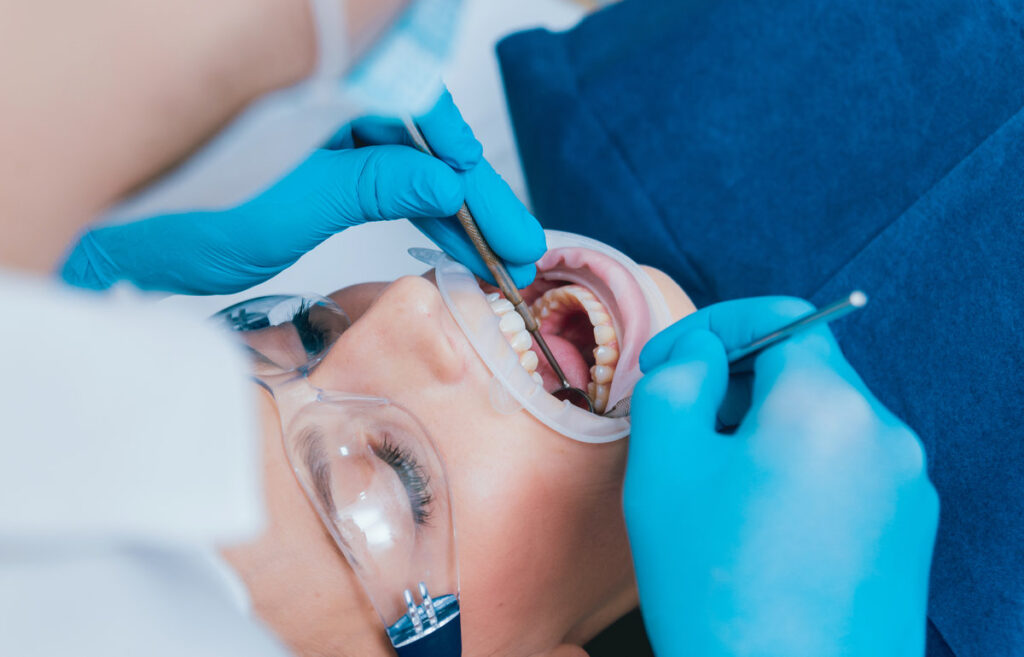
Complete Family and Implant Dental Care
Comprehensive dental services from routine care to advanced implants, all under one roof for your convenience.


Why Bone Loss Happens After Tooth Loss
The root of a natural tooth does more than just anchor it in place. It transmits the pressure of biting and chewing directly into the jawbone, stimulating the bone to stay healthy and dense. When a tooth is removed and that stimulation stops, the bone beneath it begins to resorb. Research published in PubMed by the National Institutes of Health found that dental implants placed in grafted sites had a 97.2% survival rate, demonstrating that properly restored bone provides a reliable foundation for implants over the long term.
The longer a tooth goes unreplaced, the more significant the bone loss tends to become. This is why it’s generally beneficial to explore implant options sooner rather than later after an extraction. Patients who have worn removable dentures for many years often experience more extensive resorption, which may require a larger grafting procedure to restore adequate volume. Understanding your current bone density is one of the first things our team assesses during an implant consultation to help determine the next steps.
The Bone Grafting Process at North Creek Dental Care
Our process begins with a thorough evaluation that includes advanced imaging. Using cone beam CT technology, we can generate a precise three-dimensional view of your jawbone, measuring both the quantity and density of available bone. This allows us to plan your grafting procedure with a level of accuracy that’s simply not possible with traditional X-rays alone.
The grafting procedure itself is typically performed with local anesthesia, and many patients report minimal discomfort during recovery. After the graft material is placed, a healing period of several months is usually required before the implant can be placed. This timeline allows the graft to fully integrate and for new bone to develop to the density needed for stable implant placement.
In some cases, a graft and an implant can be placed during the same appointment, though this depends on your bone condition and treatment plan. Some patients exploring full-arch solutions may also be candidates for All-on-4 dental implants, which are designed to minimize the amount of grafting required by using angled implant placement to take advantage of available bone.

Who Needs a Bone Graft Before an Implant?
Not every implant patient requires bone grafting, but it is a common and important part of treatment planning for many. A bone graft is most likely to be needed in the following situations:
- Your tooth was extracted months or years ago without a socket preservation graft
- Significant bone loss has occurred due to gum disease or trauma
- You have worn dentures for an extended period
- Your upper jaw requires sinus augmentation due to its proximity to the sinus cavity
A thorough consultation and imaging are the only reliable ways to determine whether grafting is part of your path to implants. Our team will review every aspect of your oral health and walk you through exactly what your treatment will involve before any procedures are scheduled.
Bone Grafting as Part of a Complete Smile Restoration
For some patients, bone grafting is a standalone preparatory step before a single implant. For others, it’s one component of a more involved full-arch restoration. Either way, the outcome goal is the same: a jaw with adequate bone support that can hold an implant securely for decades. For patients who are interested in restoring an entire arch, we also offer teeth in a day solutions that may reduce treatment time significantly when bone conditions allow.
The connection between jawbone health and implant longevity is well understood in the dental field, and our team stays current with the most advanced techniques through ongoing continuing education. Our dentists’ depth of training shapes the way we plan and deliver every bone grafting and implant procedure at our practice.


Begin Your Implant Journey at North Creek Dental Care
Choosing to pursue dental implants is a significant decision, and understanding the preparatory steps involved, including bone grafting when needed, can make the process feel far more manageable. Our team is here to answer your questions, explain what the imaging reveals, and build a treatment plan that fits your situation and goals.
We are proud to serve patients throughout Tinley Park and the surrounding communities with the kind of attentive, experienced care that has kept patients coming back for generations. To learn more about your options and find out whether bone grafting is part of your path to implants, we invite you to contact our office to schedule a complimentary implant consultation with our team today.