
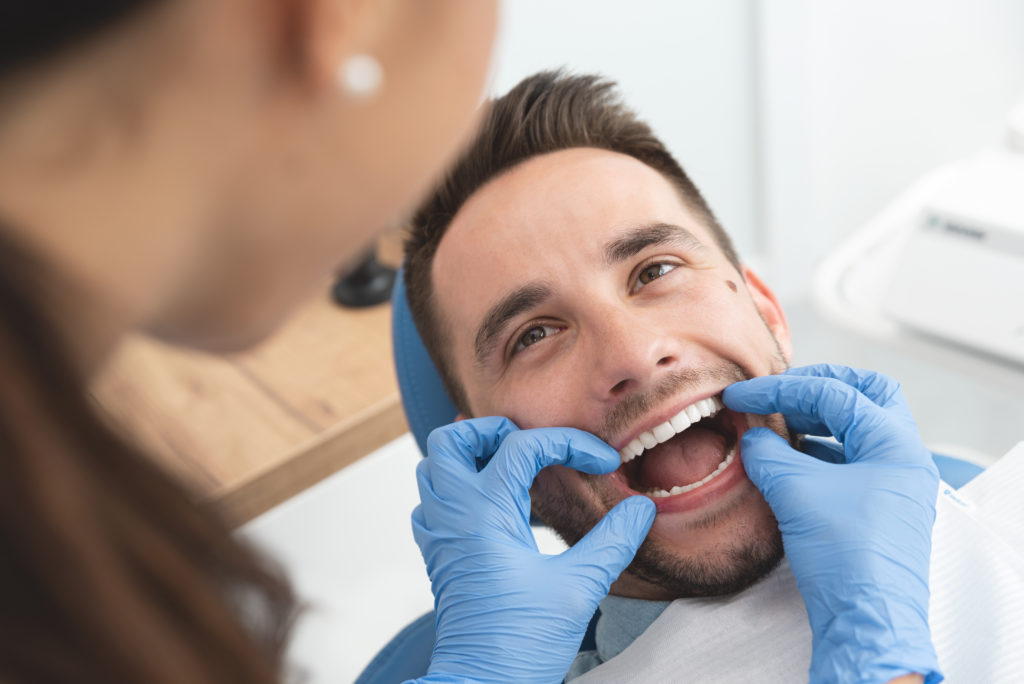
A damaged or weakened tooth doesn’t just affect your smile; it can impact everything from how you view yourself to your ability to enjoy your favorite foods. Whether dealing with a cracked molar sending sharp pain through your jaw with each bite or a front tooth showing extensive wear making you hesitate before smiling, dental crowns offer a remarkable solution combining strength, protection, and natural-looking aesthetics. Unlike fillings replacing only a portion of the tooth, crowns deliver complete coverage protection while restoring your appearance in a way that looks perfectly natural.
At North Creek Dental Care, we provide high-quality dental crown restorations to restore your smile’s function and beauty. Our Tinley Park team has served the community for over 40 years, helping countless patients maintain oral health with long-lasting dental restorations. We take the time to thoroughly explain the crown process and answer all your questions before beginning treatment.
What Are Dental Crowns?
A dental crown is a custom-made restoration covering the entire visible portion of a damaged tooth above the gum line. Crowns restore both the tooth’s strength and appearance, protecting it from further damage while blending seamlessly with your natural teeth. Our Tinley Park practice offers several crown materials, including porcelain, ceramic, and zirconia options.
When You May Need a Dental Crown
Our general dentistry team may recommend a crown restoration for various situations. A severely decayed tooth requiring protection beyond what a filling can provide often benefits from crown coverage. Cracked or fractured teeth weakened by injury or wear also frequently require crowns to prevent further damage.
Following root canal treatment, teeth become more brittle and vulnerable, making crown protection essential for long-term success. Our cosmetic dentistry services also include crowns for addressing severely discolored or misshapen teeth unresponsive to other treatments.

The Crown Placement Process
Receiving a dental crown typically requires two appointments at our Tinley Park office. During your first visit, we carefully prepare the tooth by removing damaged portions and reshaping it to accommodate the crown. We then take precise impressions capturing every detail of your tooth structure and bite alignment.
While our dental laboratory crafts your permanent crown, we place a temporary restoration protecting the prepared tooth. At your second appointment, we remove the temporary crown, verify the permanent crown’s fit and appearance, and bond it securely to your tooth using dental cement. For patients seeking convenience, we also offer same-day crowns using advanced digital technology.
Comprehensive dental services from routine care to advanced implants, all under one roof for your convenience.

Preparing Your Tooth
Tooth preparation ensures your crown fits properly and functions correctly for years. We gently remove any decay and shape the tooth to create adequate space for the crown material while maintaining structural integrity. Our team uses local anesthesia ensuring your comfort throughout the preparation procedure.
Creating Your Custom Crown
Our dental laboratory creates crowns matching your natural teeth in color, shape, and translucency. Each crown is individually crafted to blend seamlessly with your smile while providing maximum strength and durability. The materials we use resist staining and withstand normal biting forces, providing long-lasting protection.
Types of Dental Crown Materials
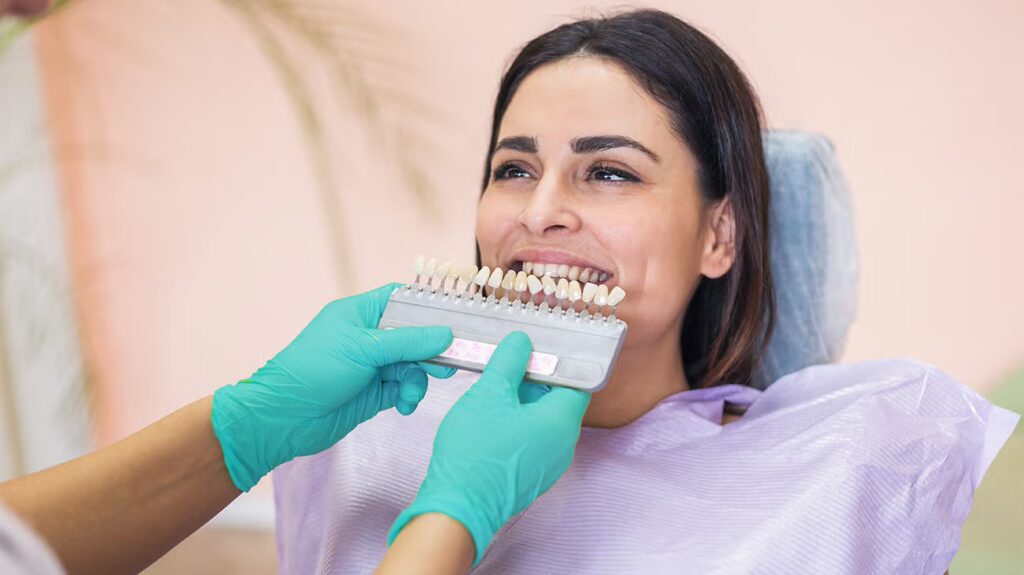
We offer several crown material options, each with distinct advantages. Porcelain and ceramic crowns provide excellent aesthetics for front teeth, mimicking natural tooth translucency and color. Zirconia crowns combine exceptional strength with natural appearance, making them suitable for both front and back teeth. Our team helps you select the most appropriate material based on the tooth’s location, your bite forces, and aesthetic preferences.
Caring for Your Dental Crown Restoration
Maintaining your crown requires the same oral hygiene practices protecting your natural teeth. Brush twice daily using fluoride toothpaste and floss carefully around the crown margins where it meets your gum tissue. Regular dental cleanings and examinations allow us to monitor your crown’s condition and address any concerns early.
Avoid using your crowned tooth to bite extremely hard objects like ice or hard candy, which may damage even the strongest crown materials. If you grind or clench your teeth, we may recommend a nightguard protecting both your crowns and natural teeth from excessive forces. With proper care, your crown may last 15 years or longer, providing durable protection and beautiful aesthetics.
Restore Your Smile with Dental Crowns at North Creek Dental Care
Dental crowns offer an effective solution for protecting and restoring damaged teeth while maintaining your smile’s natural appearance. Whether you need a crown following root canal therapy, to repair a fractured tooth, or to improve your smile’s aesthetics, our Tinley Park team provides personalized care tailored to your needs.
Don’t let a damaged tooth compromise your oral health or confidence. Contact North Creek Dental Care today at (708) 532-4131 or complete our contact form to schedule your consultation and learn how dental crown treatment may restore your smile.

Dental Emergency? We're Here to Help.
Don’t wait through the pain. North Creek Dental Care welcomes same-day and next-day emergency appointments for patients dealing with urgent dental concerns — from severe toothaches to broken or knocked-out teeth.

Frequently Asked Questions about Dental Crowns in Tinley Park, IL
How much does a dental crown cost?
Dental crowns typically cost $900-$1,400 per tooth, depending on the material used and procedure complexity. Porcelain and ceramic crowns generally cost more than metal crowns but provide superior aesthetics. Same-day crowns using CEREC technology may have different pricing than traditional lab-made crowns. Most dental insurance plans cover 50% of crown costs when deemed medically necessary, after deductibles are met. Insurance typically covers crowns every 5-7 years. Without insurance, many dental offices offer financing plans with low or no-interest monthly payments to make treatment affordable.
How long do dental crowns last?
Dental crowns typically last 10-15 years with proper care, though many patients enjoy their crowns for 20+ years. Longevity depends on several factors including oral hygiene habits, teeth grinding, diet, and crown material. Porcelain and ceramic crowns may show wear sooner than gold or metal crowns. Patients who grind their teeth, have high cavity risk, or eat very hard foods may need crown replacement sooner. Good oral hygiene, regular dental checkups, avoiding extremely hard foods, and wearing a nightguard if you grind teeth can maximize crown lifespan.
Does getting a dental crown hurt?
The crown procedure itself is painless because your dentist administers local anesthesia to numb the tooth and surrounding area. You won’t feel discomfort during tooth preparation or crown placement. After anesthesia wears off, you may experience mild sensitivity or soreness for a few days, easily managed with over-the-counter pain medication. Some patients notice temporary sensitivity to hot or cold temperatures that typically subsides within a few weeks. If you experience severe pain or prolonged sensitivity beyond two weeks, contact your dentist as this may indicate an issue requiring attention.
How many appointments does a crown take?
Traditional dental crowns require two appointments over 2-3 weeks. The first appointment involves tooth preparation, taking impressions, and placing a temporary crown. The dental lab crafts your permanent crown over 1-2 weeks. The second appointment involves removing the temporary crown and cementing the permanent restoration. Same-day crowns using CAD/CAM technology can be completed in a single 2-3 hour appointment. The dentist designs, mills, and places your crown while you wait, eliminating temporary crowns and multiple visits. Not all cases qualify for same-day crowns depending on tooth location and specific needs.
Can a tooth with a crown get a cavity?
Yes, the natural tooth structure underneath a crown can still develop cavities. While the crown itself cannot decay, bacteria can cause cavities at the margin where the crown meets your natural tooth at the gumline. Poor oral hygiene allows plaque buildup at this junction, leading to decay that can spread under the crown. This is why maintaining excellent oral hygiene is crucial—brush twice daily, floss carefully around crown margins, and attend regular dental cleanings. If decay develops under a crown, the crown may need removal to treat the cavity, and a new crown will be required.
Can you whiten a dental crown?
No, teeth whitening treatments do not affect dental crowns, veneers, or other restorations. Whitening products only work on natural tooth enamel. If you want whiter teeth and need a crown, complete any whitening treatment before getting the crown so it can be color-matched to your whitened teeth. If you already have a crown and whiten your natural teeth, you may create a color mismatch. Existing crowns that become stained or no longer match your teeth can be replaced with new crowns in your desired shade. This is why dentists recommend addressing whitening goals during treatment planning.
Does insurance cover dental crowns?
Most dental insurance plans cover crowns at 50% when deemed medically necessary to restore damaged or decayed teeth. Coverage typically applies after you’ve met your annual deductible. Insurance usually covers crown replacement every 5-7 years, though policies vary. Crowns for purely cosmetic purposes may not receive coverage. Pre-authorization provides an estimate of your coverage and out-of-pocket costs before treatment. Plans have annual maximums ($1,000-$2,000 typically) that may affect coverage if you need multiple crowns. Your dental office can verify benefits and submit claims to maximize your insurance coverage.
Insurance
We work with most PPO plans
North Creek Dental Care accepts most major PPO insurance as an out-of-network provider. We file your claims and help you maximize your benefits.
Learn about insuranceFlexible financing
Payment options for every budget
Same-Day Crown Appointments Available
Get a Strong, Natural-Looking Crown in Tinley Park
North Creek Dental Care offers same-day and traditional crown options with in-house milling -- fewer visits, faster results, and a comfortable experience from start to finish.
- Same-day crown technology available -- in-house milling
- Porcelain, ceramic, and zirconia options for a natural look
- Most PPO insurance covers crowns -- financing available for the rest
Lost or Broken Crown? We Can Help Today.
Same-Day Emergency Appointments Available
A broken or missing crown doesn’t have to wait. North Creek Dental Care offers same-day appointments for dental emergencies — so you can get the relief and restoration you need without delay.