Deciding to move forward with full-arch implant restoration is one of the most meaningful decisions you can make for your oral health and confidence. But after the procedure, a common question takes over: what exactly should you expect afterward? Recovery from All-on-4 implant placement follows a fairly predictable path, and understanding what comes at each stage helps you stay calm, comfortable, and on track.
At North Creek Dental Care, we walk every patient through what to expect well before they leave the chair. Our team has helped countless patients throughout the Orland Hills area navigate All-on-4 dental implant restoration, and we know how reassuring it is to have a clear picture of the road ahead.
Days 1 and 2: The Initial 48 Hours
These first two days are all about rest. Your body is doing significant work beneath the surface, and the best thing you can do is honor that. Stay home, keep physical activity to a minimum, and have help available if possible.
Swelling and some discomfort are completely normal at this stage, and they typically peak around the 48-hour mark. Apply an ice pack wrapped in a cloth to the outside of your face in 20-minute intervals to keep swelling manageable. Take any prescribed medications exactly as directed, and avoid rinsing your mouth forcefully for the first 24 hours to protect the clotting process at the surgical sites.
Your diet at this stage will be strictly liquid-based. Cold soups, protein shakes, and water are your closest friends right now. Avoid straws entirely, as the suction can disturb the implant sites and delay healing.
Days 3 and 4: Swelling Peaks and Begins to Ease
By day three, swelling may still feel significant and could even appear to worsen slightly before it improves, which is normal. Bruising along the jaw and lower cheeks can also become more visible around this time, and it may be alarming if you are not expecting it.
What to Focus On
Continue with soft, cold, or lukewarm foods. As healing progresses, NIH-published research on dental implant survival confirms that managing load on implant sites in the early weeks strongly correlates with long-term results, making your diet choices more important than they may seem. Steer clear of anything hot, spicy, or requiring chewing. Gentle saltwater rinses can keep the area clean without introducing trauma.
Energy levels at this stage are often low. Your body is healing from a significant procedure, and fatigue is expected, so rest without guilt.
Days 5 Through 7: Noticeable Improvement
Most patients notice a meaningful shift in comfort somewhere between days five and seven. The discomfort softens considerably, swelling starts to visibly recede, and daily life starts to feel within reach again. If you have a desk-based job or a light daily schedule, you may feel ready to ease back into it around this point.
Your diet can begin expanding to include soft foods that require minimal chewing, such as mashed potatoes, scrambled eggs, yogurt, and soft fish. Nutrient-rich choices at this stage support tissue repair and help sustain your energy. The full dental implant healing process takes months, but how you eat in these first weeks genuinely matters for the outcome.
Oral hygiene also becomes more manageable this week. Gentle brushing around the prosthetic, combined with any rinse protocol your care team prescribed, supports a clean environment for osseointegration to begin.
Weeks 2 Through 4: Settling In
By the second week, most initial discomfort has resolved. You are no longer in the acute phase, but your jaw is still in active recovery. This is where many patients feel so much better that they start to push dietary limits or skip follow-up appointments, both of which can set progress back.
Continue with soft foods and attend any scheduled follow-up visits. These appointments allow us to confirm that everything is integrating correctly and to address any early concerns before they become larger ones.
Months 3 Through 6: Full Osseointegration
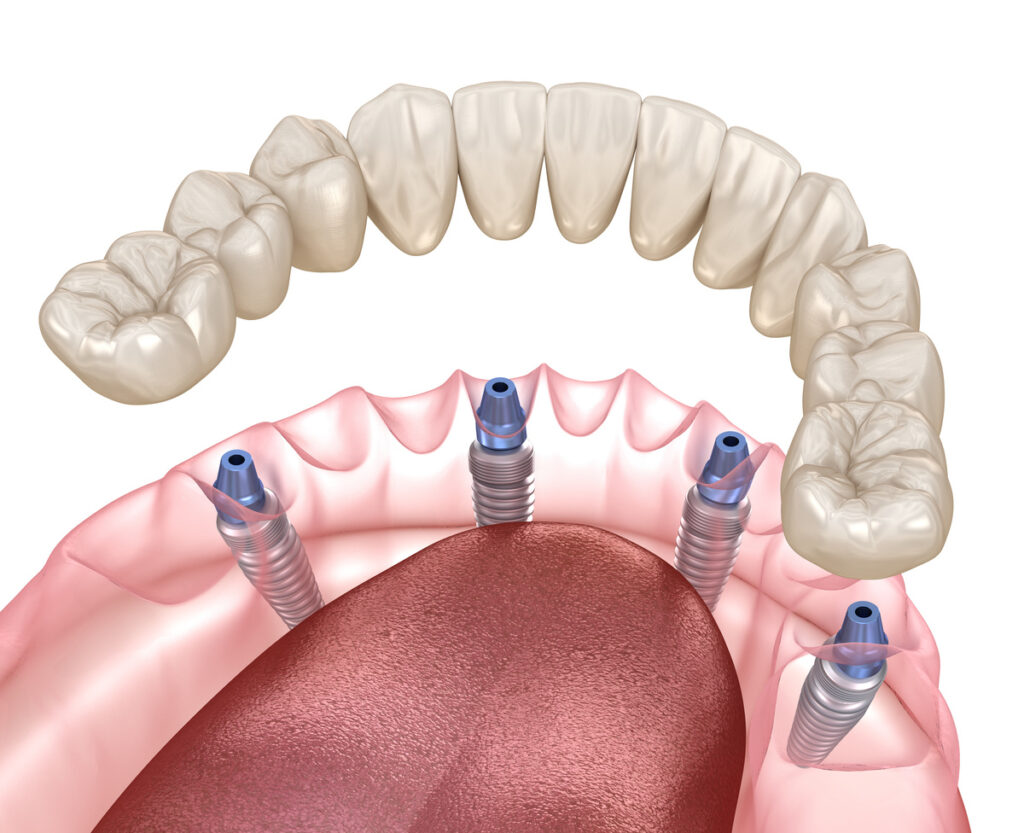
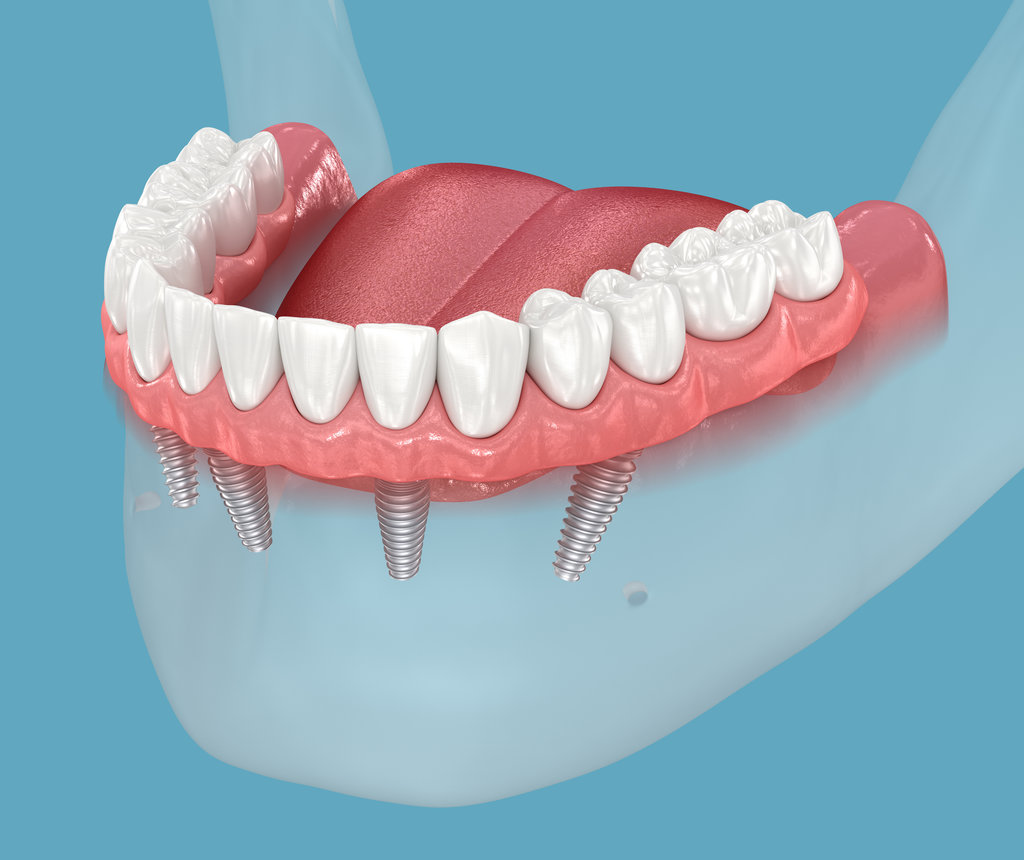
Full osseointegration, where the bone fuses with the implant posts, takes between three and six months. During this time, the prosthetic you received will function well, but the underlying bond between bone and implant is still strengthening. Avoid hard, crunchy, or chewy foods and continue attending all scheduled care visits.
Once osseointegration is confirmed, your final prosthetic is placed, and the full transformation is complete. Understanding the All-on-4 implant process from start to finish helps set realistic expectations so no part of the journey catches you off guard.
Start Your Recovery on the Right Foot at North Creek Dental Care
Choosing where you receive your care matters as much as the procedure itself. At North Creek Dental Care, our doctors bring decades of combined clinical experience and a deep commitment to continuing education to every consultation. Our team is known throughout the Illinois area for the depth of our clinical knowledge and the quality of care we extend to every patient at every stage of treatment, including recovery.
If you are ready to explore All-on-4 restoration, we are here to guide you forward. Reach out today and take the first step toward your full-arch smile.

Medically Reviewed By
The content on this site is medically reviewed by the experienced dental professionals at North Creek Dental Care in Tinley Park, IL. Led by Dr. Sharon L. Linder, DDS, and Dr. Bradley A. Engel, DDS, our team brings decades of combined clinical experience in general, cosmetic, and restorative dentistry. Every article reflects our commitment to evidence-based care, patient education, and the highest standards in oral health.
- Fact Checked
- Editor