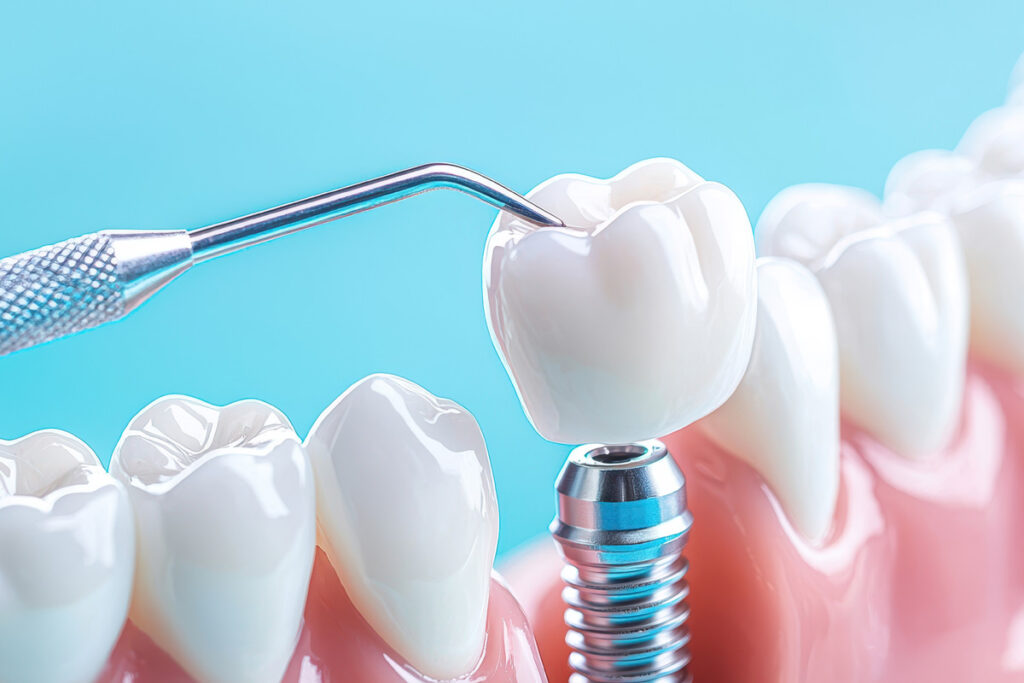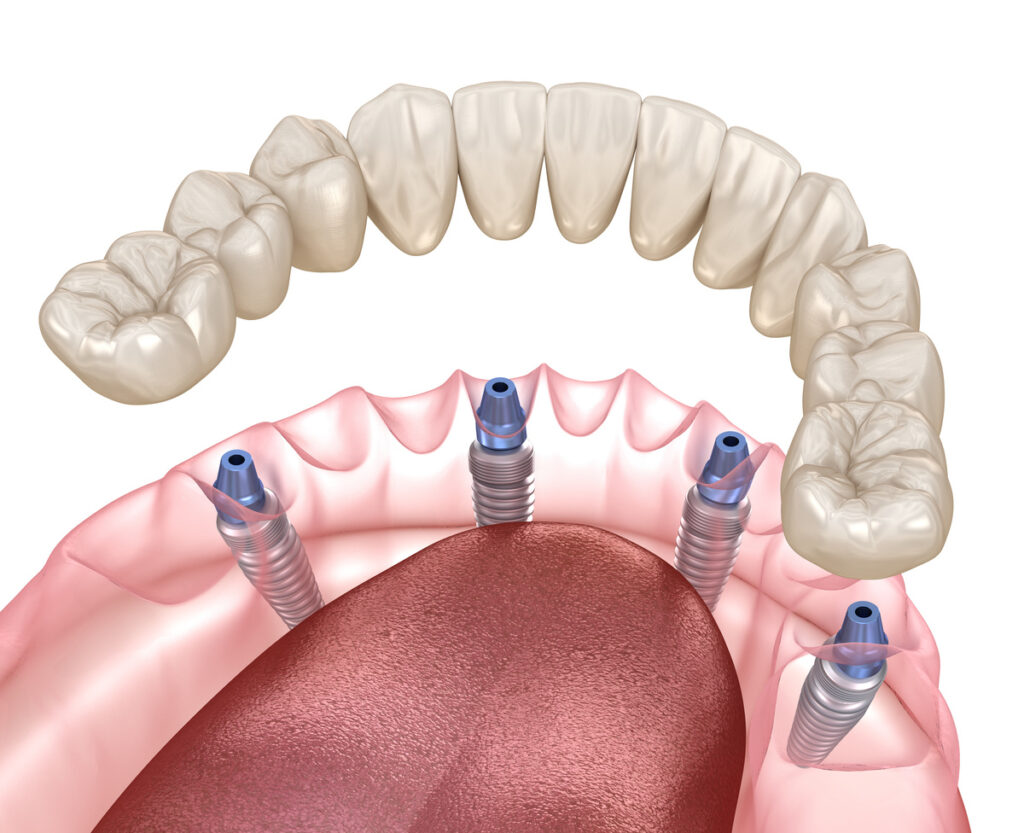
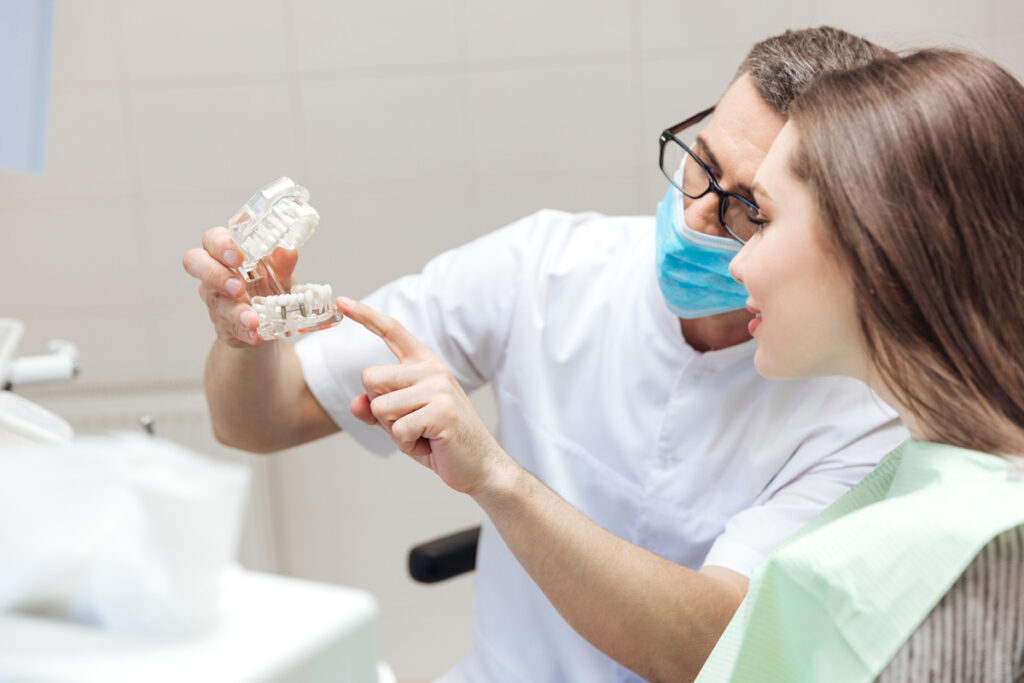
If you’ve been living with missing teeth, you already know the daily frustrations they create. Maybe you’ve stopped ordering certain foods at restaurants, or you find yourself covering your mouth when you laugh. Fortunately, dental implants can replace tooth roots for optimal function and natural results. However, they’re not a one-size-fits-all answer. Finding out whether you’re a good candidate means taking an honest look at your health, lifestyle, and what you hope to achieve.
At North Creek Dental Care, we understand the impact tooth loss has on daily life. Our team provides comprehensive dental implant solutions to restore your smile’s function and appearance. With advanced training in implant dentistry, we guide patients through every step of the process, from initial consultation to final restoration.
Factors That Impact Your Candidacy for Dental Implants
Dental implants aren’t right for everyone, but they’re transformative for the right candidates. To determine if this solution is best to replace your missing teeth, we consider the following factors that affect its success:
Age and Overall Health
Most adults can receive dental implants once their jaw has finished growing, typically around age 18. There’s no upper age limit; many patients in their 70s and 80s successfully receive implants.
Good candidates maintain stable health conditions. Uncontrolled diabetes can slow healing and increase infection risk, but well-managed diabetes doesn’t disqualify you. Similarly, heart disease, osteoporosis, or autoimmune conditions require evaluation but don’t automatically rule out implants. Our trusted team works closely with you to determine if dental implants will be successful with your complete medical history in mind.
Bone Health
Adequate jawbone density is the foundation of implant success. When you lose a tooth, the bone that once supported it begins to deteriorate. Within the first three months of tooth loss, you can lose up to 25% of the bone in that area. This bone loss continues over time, making early treatment advantageous.
We use digital imaging and CT scans to precisely assess your bone structure. These scans reveal bone density, height, and any anatomical structures we need to work around, like nerve pathways or sinus cavities. If you lack sufficient bone, bone grafting can create the necessary foundation. This additional procedure adds time and cost but expands treatment possibilities for patients who might otherwise be ineligible.
Lifestyle and Habits
Your daily habits significantly influence implant outcomes. Smoking is the single biggest controllable risk factor for implant failure. Tobacco restricts blood flow, slowing healing and weakening the bone-implant connection. If you smoke, quitting before surgery dramatically improves your success rate.
Teeth grinding, or bruxism, can stress implants excessively. If you grind your teeth, a nightguard protects both your implants and natural teeth. Heavy alcohol consumption and recreational drug use also compromise healing and should be avoided during recovery.
Timeline Expectations
Dental implants require patience. The entire process typically spans three to six months, sometimes longer if bone grafting is necessary. You’ll need multiple appointments for consultation, imaging, surgery, healing checks, and final restoration placement.
Consider these time requirements carefully. If you have an upcoming event, such as a wedding or a significant professional obligation, timing matters. Temporary solutions can bridge gaps during healing, but you’ll want to plan accordingly.
Financial Considerations for Implant Treatment
The initial cost of dental implants exceeds that of dentures or bridges. However, dental implants have a 95% success rate and can last for decades with proper care, often making them more economical in the long term. We offer the following options to make implants more accessible:
- Flexible payment plans that spread costs over time
- Third-party financing through our financial partners
- Our dental membership program for patients without traditional insurance
- Insurance coordination to maximize your benefits
Many patients find the improved quality of life justifies the investment. You’ll eat foods you’ve avoided, speak without worrying about slipping dentures, and smile without self-consciousness.
Restore Your Smile with High-Quality Dental Implants at North Creek Dental Care
Dental implants offer a permanent solution to tooth loss, but success depends on selecting the right candidates and setting realistic expectations. Dr. Samuel Kang completed a three-year advanced prosthodontics residency at UIC and an additional year as an Implant Fellow with the Department of Oral & Maxillofacial Surgery, bringing extensive training in complex implant procedures to our practice. We also offer complimentary second opinions and dental implant consultations to help you make informed decisions about your oral health.
Schedule an appointment at North Creek Dental Care to explore your tooth replacement options. Our team will evaluate your oral health, answer your questions, and help you determine the best path toward a complete, confident smile.