







Complimentary Consultations
Learn more about all of our dental implant options and how they can give you a strong, beautiful smile again! Call us today.

What Are Dental Implants?
Dental implants are biocompatible titanium posts surgically placed into the jawbone to serve as artificial tooth roots. These posts create a sturdy foundation for attaching replacement crowns, whether a single artificial tooth, a multi-tooth bridge for several teeth, or a full arch prosthesis. This advanced treatment allows us to replace missing teeth with restorations that integrate naturally with your existing smile.
The Three Components of a Dental Implant
A complete implant restoration consists of three primary parts that work together:
- The implant fixture: The titanium post that’s surgically placed into the jawbone where it fuses with the bone through a process called osseointegration, replacing the missing tooth root
- The abutment: A connector piece that attaches to the implant fixture and extends slightly above the gumline to support the restoration
- The prosthetic crown: The visible portion of the restoration (crown, bridge, or denture) that’s custom-designed to match your natural teeth
Together, these components create a comprehensive replacement system that’s both highly functional and aesthetically pleasing.
Complete Family and Implant Dental Care
Comprehensive dental services from routine care to advanced implants, all under one roof for your convenience.
The Dental Implant Procedure
Receiving dental implants typically involves several phases spread over 3-6 months, though the timeline varies based on your specific situation. This comprehensive approach ensures optimal integration and long-term success.
Initial Consultation and Planning
Your implant process begins with a thorough evaluation to determine if you’re a suitable candidate. This includes:
- Comprehensive oral examination
- Detailed dental and medical history review
- 3D cone beam CT imaging to assess bone volume and density
- Discussion of your goals and expectations
- Development of a customized treatment plan
During this phase, we’ll address any preliminary procedures needed, such as extractions, bone grafting, or gum disease care.
Implant Placement Surgery
The implant surgery itself is precisely planned using advanced imaging technology:
- Local anesthesia ensures your comfort during this minor surgery (sedation options are also available)
- Small incisions in the gum tissue expose the jawbone
- Precisely sized channels are created in the bone
- The implant is carefully positioned for optimal support and aesthetics
- Healing caps may be placed, and the gum tissue is sutured closed
Most patients report minimal discomfort following the procedure and can return to normal activities within a day or two. We monitor patients throughout the recovery period, though complications are rare with biocompatible titanium materials.
Healing and Osseointegration
After placement, the implants need time to integrate with your jawbone through a process called osseointegration:
- This biological process typically takes 3-6 months
- During this time, the titanium implant and bone cells grow together
- This integration creates the strong foundation needed for long-term success
- In some cases, temporary prosthetics may be provided during this healing phase
Final Restoration Placement
Once osseointegration is complete, you’ll return for your final restoration:
- Abutments are attached to the implant fixtures
- Detailed impressions are taken for crafting your custom prosthetics
- Your restoration (crown, bridge, or denture) is precisely placed
- Your bite is checked and adjusted for optimal function and comfort
Benefits of Choosing Dental Implants
Dental implants offer numerous advantages over traditional replacement options:Preserving Bone Health
When teeth are lost, the jawbone begins to deteriorate due to a lack of stimulation. Over time, the bone in that area can begin to shrink. Because an implant is anchored in the jawbone, it may help support the bone and the shape of your face better than options that rest on the gums.Unmatched Stability and Function
Unlike removable dentures that may slip or click, dental implants provide a secure foundation that allows you to speak, laugh, and eat with complete confidence. Many patients report they can’t tell the difference between their implants and natural teeth when eating or speaking.Long-Term Value
While the initial investment for dental implants may be higher than other options, their exceptional durability makes them cost-effective in the long run. With proper care, dental implants can last decades, even a lifetime, while bridges and dentures typically require replacement every 5-10 years.
Improved Oral Health
Implants don’t require altering adjacent teeth (unlike traditional bridges) and are easier to clean around than other prosthetic options, supporting better oral health maintenance. This helps maintain better overall wellness and reduces the risk of future dental problems.
Enhanced Quality of Life
Perhaps most importantly, dental implants can dramatically improve your quality of life by:
- Restoring proper chewing function
- Eliminating the discomfort of removable appliances
- Providing natural-looking aesthetics that create your new smile
- Boosting self-confidence in social situations
Are You a Candidate for Dental Implants?
Most adults with missing teeth are potential candidates for dental implants. Ideal candidates typically have:
- Good general and oral health
- Adequate bone volume to support implants (or are candidates for bone grafting)
- Healthy gum tissue free of periodontal disease
- Good oral hygiene habits
- No uncontrolled medical conditions that might affect healing
Even if you’ve been told you’re not a candidate for implants in the past, advances in techniques like bone grafting, sinus lifts, and oral and maxillofacial surgery have made this treatment accessible to more patients than ever before.
Related treatments include tooth extraction for implants, dental implant restoration, and failed implant treatment. If you are missing most or all of your teeth, learn more about full mouth dental implants.
Experience the North Creek Dental Care Difference
At North Creek Dental Care, we combine advanced technology with compassionate care to deliver exceptional results in implant dentistry. Our team has extensive experience in all aspects of implant care, from straightforward single tooth replacements to complex full-mouth reconstructions. We use the latest digital planning tools and surgical guides to ensure precise, predictable outcomes for every patient.
Our comprehensive approach means we handle every step of your implant treatment in one convenient Tinley Park location, eliminating the need for referrals to outside providers. This integrated care allows for better communication, more efficient care, and ultimately, superior results.
We emphasize the importance of professional cleanings and routine maintenance appointments to ensure your implants remain healthy and function like natural teeth for years to come, helping you maintain your complete smile.
Are you ready to discover how dental implants could transform your smile and quality of life? Contact our Tinley Park office to schedule your complimentary dental implant consultation today and take the first step toward a complete, confident smile.
Southland’s Best Dental Office in 2024, 2025, and 2026
Voted best by the Southland community three years running. Dr. Omar El Ebrashy also named Best Doctor at Southland’s Best 2025.
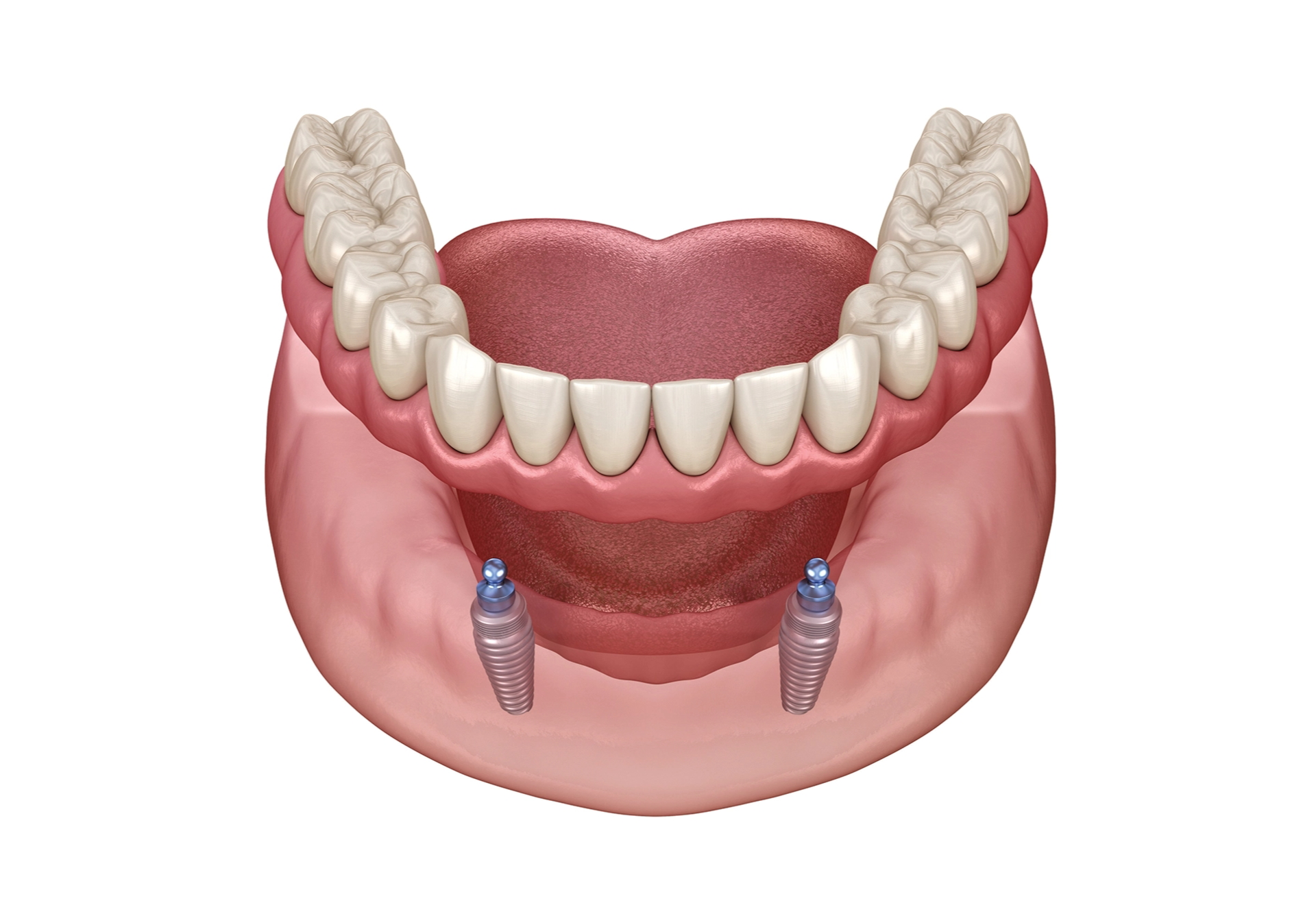
Overdentures: No More Denture Adhesive!
Denture wearers will tell you one thing they hate the most is having their teeth slip, tilt, or slide while eating. It’s necessary to use denture adhesive to try to keep their teeth from moving. This is a major irritant and hassle for them. But now, at North Creek Dental Care, we offer denture patients an alternative: overdentures.
Utilizing just a few implants to support the dentures, your teeth will be locked in place so they stay put. Yet they can easily snap off for cleaning. Say goodbye to messy creams! Call us today and find out if you are a candidate for overdentures.
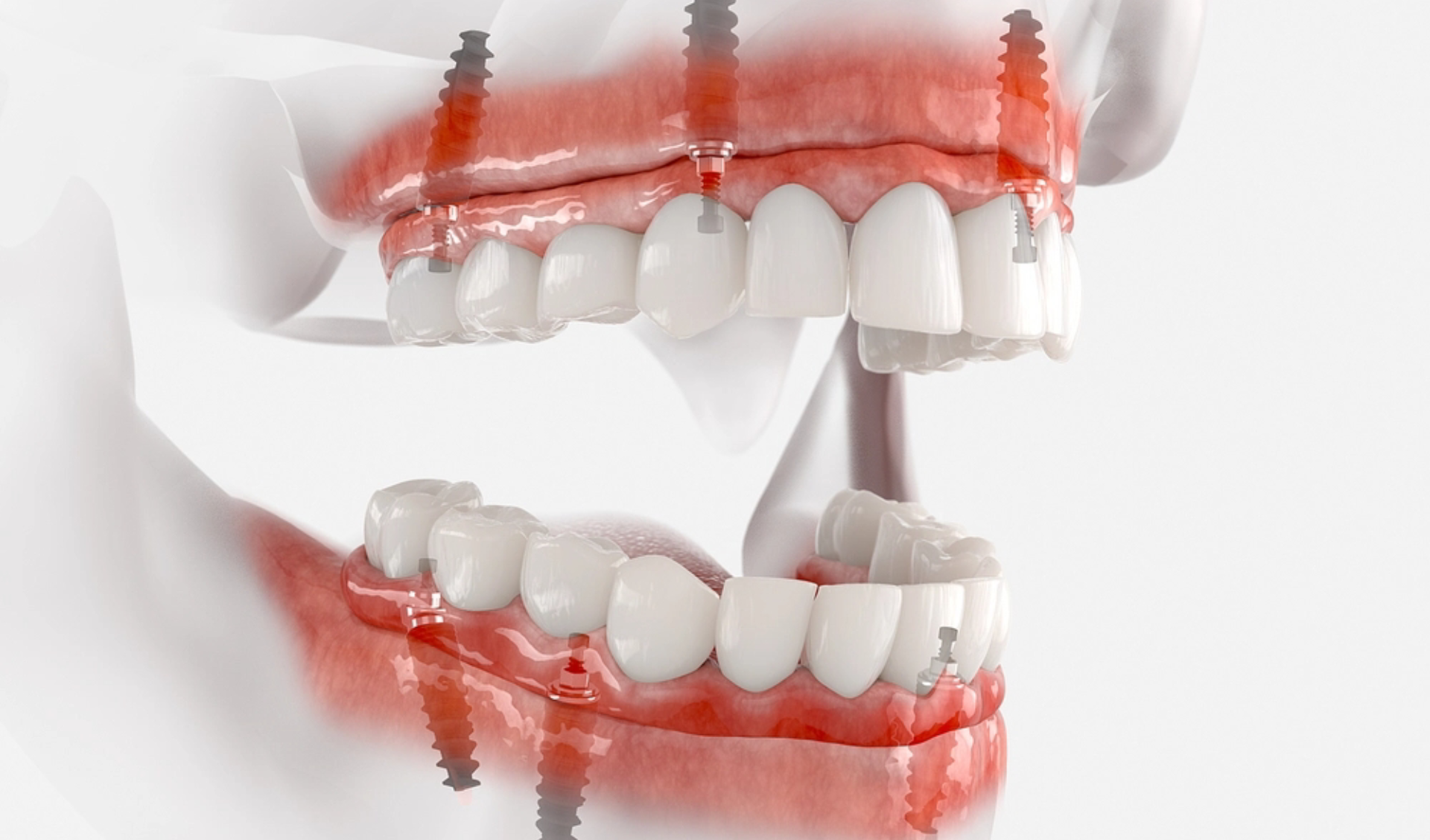
Teeth in a Day!
In addition to traditional implants, we are also happy to offer our patients All-on-4™ immediate load implants that can withstand pressure immediately without having to wait for the bone to heal around them. With this option, you will need only four to six implants that securely hold permanent dentures in place. They never need to be taken out! And the best part is that you can arrive in our office with missing or unhealthy teeth and leave with beautiful, functioning teeth, all in the same day.
Beautiful Traditional Dentures
For some patients, traditional dentures might be their preferred option. With a breakthrough in design and fit, we can offer natural-looking, slip-proof dentures. This technique secures the denture plate so well you don’t need to worry about the foods you eat or that your dentures might shift or move. If you are a denture wearer, ask us about this. It will make daily activities so much easier.
Dental Implants vs. Bridges vs. Dentures
Choosing how to replace missing teeth depends on your oral health, your jawbone, your budget, and your goals. This general comparison can help you prepare for a conversation with your dentist, and your own treatment plan may differ.
| Consideration | Dental Implants | Traditional Bridge | Removable Dentures |
|---|---|---|---|
| How it stays in place | Anchored in the jawbone | Supported by the neighboring teeth | Rest on the gums, sometimes with adhesive |
| Neighboring teeth | A single-tooth implant does not rely on adjacent teeth | Adjacent teeth are reshaped to hold the bridge | Not reshaped for full dentures, though partial dentures may clip onto remaining teeth |
| Replaces the tooth root | Yes | No | No |
| Typical timeline | Often several months, including healing | Often faster than implants | Varies by case |
| Upfront cost | Often higher | Often lower than implants | Often lower than implants |
| Daily care | Brush and floss like natural teeth, plus regular checkups | Needs cleaning beneath and around the bridge | Removed for cleaning each day |
North Creek Dental Care also offers dental bridges and implant-supported dentures, and you can read more in our guide to dentures vs. implants. To talk through which option fits your needs, request a complimentary consultation with North Creek Dental Care through our contact form.
Frequently Asked Questions about Dental Implants in Tinley Park, IL
How much do dental implants cost?
The cost of dental implants depends on how many teeth are being replaced, the type of restoration, and whether preliminary procedures such as extractions or bone grafting are needed. Because every treatment plan is different, we review your costs with you at your complimentary implant consultation. Dental insurance may cover part of the treatment depending on your plan, and we offer financing options through CareCredit and Proceed Finance. You can learn more on our financing and insurance pages.
How long do dental implants last?
With proper care, dental implants can last for many years, and in many cases a lifetime. The implant post is designed to stay in the jawbone long term, while the crown attached to it may eventually need to be replaced because of normal wear. How long your implant lasts depends on factors such as daily oral hygiene, regular dental visits, avoiding tobacco, and managing habits like teeth grinding.
Does getting dental implants hurt?
Implant surgery is performed with local anesthesia, so the area is numb during the procedure. Sedation options are also available for anxious patients or more extensive treatment. Afterward, you may have mild soreness, swelling, or bruising for a few days, which many patients manage with over-the-counter pain medication. Many people return to normal activities within a day or two. If you have significant pain that lasts beyond the first week, contact our office.
How long does the dental implant process take?
The dental implant process often takes several months from initial surgery to final restoration, commonly in the range of 3 to 6 months. This includes the implant surgery, a healing period while the implant fuses with the jawbone (osseointegration), and the fabrication and placement of the final crown, bridge, or denture. Some cases need preliminary procedures like extractions or bone grafting, which can extend the timeline. With immediate-load options such as All-on-4 implants, you may leave with temporary teeth on the day of surgery, though the final restoration is completed later. Your timeline depends on your individual situation.
What is the dental implant success rate?
Dental implants have a high rate of success when they are placed in suitable candidates and cared for properly. Outcomes depend on factors such as bone quality, gum health, oral hygiene, tobacco use, overall health, and careful surgical planning. At your consultation, we review your health history and imaging so we can talk through what to expect in your specific case. Following your aftercare instructions and keeping regular checkups are two of the most important steps you can take to protect your implant.
What can't you eat with dental implants?
Once healed, most patients can eat a wide variety of foods comfortably, which is one of the advantages of implants over removable dentures. During the first few weeks after surgery, stick with soft foods such as yogurt, soup, mashed potatoes, and smoothies, and avoid hard, crunchy, chewy, or very hot foods that could disturb the surgical site. After healing is complete, we will let you know when you can return to your normal diet. It is still wise to avoid chewing ice or very hard candy, which can damage natural teeth and restorations.
Can smokers get dental implants?
Many smokers can receive dental implants, but tobacco use can slow healing and may increase the risk of complications. The American Dental Association notes that tobacco use can slow healing after implant treatment. Nicotine reduces blood flow, which may interfere with the way the implant integrates with the bone. During your consultation, we review your health history and talk with you about whether quitting before surgery and during healing is recommended in your case.
Are dental implants covered by insurance?
Dental insurance coverage for implants varies by plan. Some plans cover part of the treatment, such as the crown or other restoration, while others do not cover implants at all. In limited situations, such as tooth loss related to an accident, a medical insurance plan may offer some coverage. Our team can review your benefits with you before treatment so you understand your out-of-pocket costs. You can find more details on our insurance page.
How do dental implants compare with bridges and dentures?
A traditional bridge relies on the neighboring teeth for support, and removable dentures rest on the gums. A dental implant is anchored in the jawbone and supports a crown, bridge, or denture. Implants often involve a longer timeline and a higher upfront cost, so the best option depends on your oral health, your jawbone, and your goals. You can read more in our guide to dentures vs. implants or learn about implant-supported dentures.
Complimentary Consultations Available
Ready to Restore Your Smile with Dental Implants?
North Creek Dental Care offers full-service implant care in Tinley Park -- from the implant post to the final crown -- with in-house specialists and same-day options available.
- In-house oral surgeon and periodontist -- no referrals needed
- Same-day and All-on-4 implant options available
- CareCredit and Proceed Finance accepted