
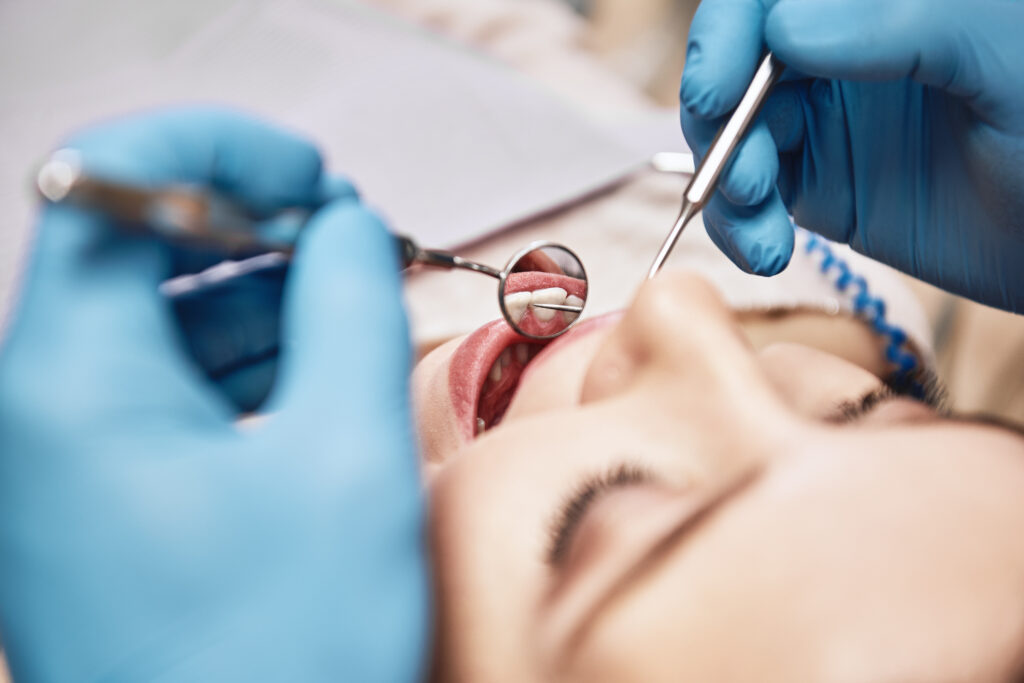
The truth about cavities might surprise you. Early-stage cavities can be stopped and even reversed through remineralization, a process that restores minerals to weakened enamel before a hole forms. Once a cavity penetrates the enamel and reaches the dentin, however, only professional treatment can repair the damage.
At North Creek Dental Care, our team helps patients understand how to protect their teeth from decay and catch problems early. Whether you’re dealing with white spots on your teeth or looking to prevent cavities, we provide the guidance and care you need.
Understanding How Cavities Form
Cavities don’t appear overnight. They develop through a gradual process that begins with acid attacks on your tooth enamel. Every time you eat or drink something sugary or starchy, bacteria in your mouth produce acids that pull minerals out of your enamel. This demineralization creates weak spots that, if left unchecked, eventually become cavities.
Your saliva naturally helps repair this damage by replenishing minerals in your teeth. When you give your mouth enough time between meals and maintain good oral hygiene, this remineralization process can keep your enamel strong. The balance between mineral loss and gain determines whether a cavity forms.
When You Can Reverse Early Decay
You have a window of opportunity to reverse cavities during their earliest stage. White spots on your teeth signal areas where minerals have been lost, but the enamel structure remains intact. At this point, you can strengthen the enamel and potentially eliminate the white spot through targeted care.
Fluoride plays a crucial role in this reversal process. When applied to early decay, fluoride attracts other minerals to rebuild enamel strength. Your dentist can provide professional fluoride treatments that deliver higher concentrations than over-the-counter products. The American Dental Association notes that fluoride helps prevent cavities by making teeth more resistant to acid attacks from bacteria and sugars.
The reversal window closes once decay breaks through the enamel. At that point, you need professional intervention to remove the decay and restore the tooth with a dental filling or other appropriate treatment.
Daily Habits That Prevent and Reverse Early Cavities
Your daily routine makes the most significant difference in cavity prevention. Brushing twice a day with fluoride toothpaste removes the bacterial film that produces harmful acids. Flossing once daily cleans between teeth where your toothbrush can’t reach, preventing decay from starting in these tight spaces.
What you eat affects your risk of cavities more than you might think. Frequent snacking keeps your mouth in an acidic state, giving enamel little time to remineralize. Limiting sugary foods and drinks reduces acid production, while choosing water throughout the day helps rinse away food particles and maintains a healthier mouth environment.
Consider these additional protective measures. Chewing sugar-free gum after meals stimulates saliva production, which neutralizes acids and delivers minerals to your teeth. Eating calcium-rich foods like dairy products, leafy greens, and fortified foods provides the minerals your teeth need for remineralization. Limiting acidic beverages such as sodas, sports drinks, and citrus juices can help prevent enamel erosion, so drink them with meals rather than sipping throughout the day. Drinking tap water provides your teeth with regular fluoride exposure in most communities.
These habits work together to tip the balance toward remineralization and away from cavity formation.
Professional Treatments That Strengthen Your Teeth
Regular dental checkups allow your dentist to catch early decay before it requires drilling. During these visits, professional cleanings remove hardened plaque that brushing can’t eliminate, reducing the bacteria that cause cavities. Regular dental visits form the foundation of preventive care.
Your dentist may recommend additional preventive treatments based on your risk of cavities. Dental sealants create a protective barrier over the chewing surfaces of back teeth, blocking bacteria and food from settling in the grooves where cavities often start. Prescription-strength fluoride products provide extra protection if you’re prone to decay or have experienced early cavities.
Some practices offer treatments like ICON infiltration, which can arrest early decay without drilling. These newer approaches work by filling the porous areas of weakened enamel with resin, stopping cavity progression at the white spot stage.
Get Personalized Cavity Prevention at North Creek Dental Care
Taking action now protects your smile for years to come. At North Creek Dental Care, Dr. Omar El Ebrashy and Dr. Samuel D. Kang combine decades of dental knowledge with advanced technology to help you maintain healthy teeth. Our practice has proudly served the community for over 40 years and was recognized as the Southland Best Dental Office in 2024. Learn more about our doctors’ backgrounds and approach to comprehensive care.
Whether you’ve noticed white spots on your teeth or want to strengthen your cavity prevention routine, our team provides the personalized care you deserve. Contact us to schedule a consultation and learn more about protecting your smile.

Medically Reviewed By
The content on this site is medically reviewed by the experienced dental professionals at North Creek Dental Care in Tinley Park, IL. Led by Dr. Sharon L. Linder, DDS, and Dr. Bradley A. Engel, DDS, our team brings decades of combined clinical experience in general, cosmetic, and restorative dentistry. Every article reflects our commitment to evidence-based care, patient education, and the highest standards in oral health.
- Fact Checked
- Editor