

Watching your child squirm through a cavity filling is one of the harder parts of parenthood, especially when you know a quick, painless treatment could have prevented it. Pediatric fluoride treatments are one of the simplest, most effective tools we have to protect young teeth, but many Tinley Park parents aren’t sure how they work, how often their child needs one, or whether the version used on kids is the same as what adults receive.
At North Creek Dental Care, we build fluoride into our care plan for young patients from the moment their first teeth erupt through the years when adult teeth are still settling in. Dr. Tom Ryan and our team treat this as a foundational part of pediatric prevention, not an add-on, because a child’s enamel is thinner and more porous than an adult’s, which makes it more vulnerable to the acid produced by cavity-causing bacteria.
Varnish vs. Gel: Two Different Delivery Methods
Not all professional fluoride treatments look the same, and the delivery method we choose for a child depends on their age, cooperation level, and risk factors.
Fluoride Varnish
Varnish is the most common option for younger children. We paint a thin, sticky layer of concentrated fluoride directly onto the teeth with a small brush. It sets almost instantly on contact with saliva, so there’s no tray to hold it in place and virtually no risk of a child swallowing a meaningful amount. Application takes less than a minute, and your child can eat and drink again shortly afterward. Varnish is the only professional topical fluoride product considered appropriate for children younger than six, which is one reason it has become the standard choice in pediatric settings.
Fluoride Gel
Gel, by contrast, is typically delivered in a foam tray that sits over the teeth for about four minutes. It works well for older children and teenagers who can comfortably keep a tray in place and follow instructions not to swallow.
Because gel requires more cooperation and carries a slightly higher swallowing risk in younger kids, we generally reserve it for patients who have outgrown varnish or who need a higher concentration for a specific concern. Both methods strengthen enamel and help reverse the earliest stages of decay, but the choice comes down to matching the tool to the child sitting in the chair.
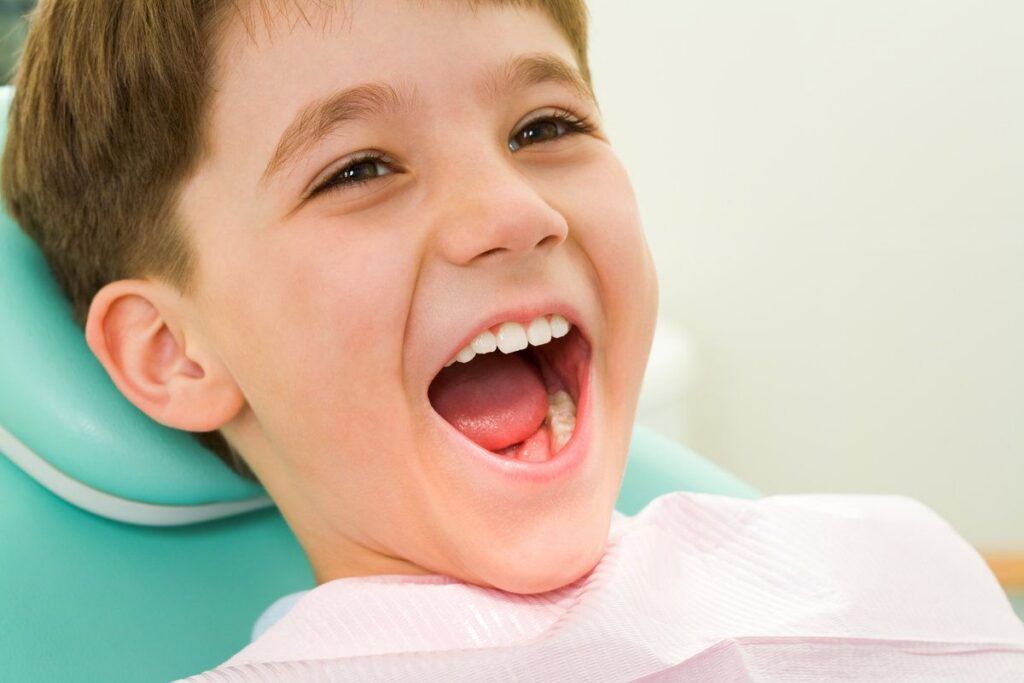
Protecting Every Smile at North Creek Dental Care
Preventive pediatric care, including professional fluoride treatments, is the single most effective way to protect your child’s smile before cavities form. We are welcoming new pediatric patients throughout Tinley Park, Orland Park, Oak Forest, and the surrounding Southland area.


How Often Your Child Needs Treatment
Frequency isn’t one-size-fits-all. It depends heavily on age and how likely a particular child is to develop cavities. For kids at low risk of decay, a fluoride treatment at each routine cleaning, typically every six months, is usually sufficient alongside good brushing habits at home. Children who show signs of higher risk, such as visible plaque buildup, a history of cavities, deep grooves in their molars, or limited access to fluoridated water, often benefit from more frequent applications.
According to the American Academy of Pediatric Dentistry, unit doses of 5% fluoride varnish are the only professional topical fluoride agent recommended for children younger than age 6 for safety reasons, and children at elevated risk of caries should receive professional fluoride treatment at least every six months, with some guidance supporting even shorter intervals of three to six months for higher-risk patients.
We assess risk at every checkup rather than applying a blanket schedule. A child’s risk level can shift over time as their diet changes, their brushing improves, or new teeth erupt, so we revisit the plan regularly instead of locking a family into a fixed routine.
What Raises a Child’s Risk
A handful of factors tend to push a child from the standard six-month schedule toward more frequent care. We look at whether a child snacks frequently on sugary or starchy foods, whether they get fluoridated water at home, how consistently they brush twice a day, and whether siblings or parents have an active history of decay, because cavity-causing bacteria can be passed between family members. None of these factors are cause for alarm on their own, and we walk through them together during your child’s visit so the plan makes sense for your household.


Is Fluoride Treatment Safe for Kids?
Safety is usually the first question we hear from parents, and it’s a fair one given how much conflicting information circulates online.
Professional fluoride treatments have been studied extensively for decades and are considered safe when a trained provider applies them in the amounts used in a dental office. The concentration in varnish or gel is far higher than what’s in toothpaste, but the application itself uses a tiny amount, and varnish in particular sets on contact, which minimizes swallowing.
The primary safety consideration with any fluoride source in young children is dental fluorosis, a cosmetic change to the enamel’s appearance that can occur with excessive fluoride exposure during the years teeth are forming, which is exactly why we tailor the type, concentration, and frequency of treatment to each child’s age rather than treating every patient the same way.
We also talk with parents about fluoride sources outside the office, including toothpaste amount and whether tap water at home is fluoridated, since the total picture matters more than any single treatment. If you have questions about your child’s specific situation, our team is always glad to walk through the reasoning behind our recommendation rather than just handing you a schedule.
Preventive Pediatric Care from Southland’s Best Dental Office
North Creek Dental Care — Voted Best Dental Office, Southland’s Best 2024 and 2025
Protecting your child’s smile starts with the right preventive team. Trust it to a practice the Southland community has recognized two years running.
How This Differs From Our Adult Fluoride Treatments
Parents sometimes assume the fluoride treatment their child receives is a smaller version of what adults get, but we approach the two differently. We usually recommend adult fluoride treatments for patients with sensitivity, exposed root surfaces from gum recession, dry mouth from medications, or a history of frequent cavities, and gel or higher-concentration varnish is often appropriate since adult enamel is fully mature.
Pediatric treatment, on the other hand, is preventive by default rather than reactive. We’re working with enamel that hasn’t finished developing, teeth that may still be erupting, and a much wider range of cooperation levels depending on age. That’s why varnish plays a bigger role in pediatric care, why we track age-specific risk factors like thumb-sucking or bottle habits that don’t apply to adult patients, and why the six-month rhythm we set for kids is built around their growth stages rather than an isolated symptom.


Schedule Your Child’s Fluoride Treatment in Tinley Park
Protecting your child’s smile doesn’t require a complicated routine, just consistent, age-appropriate care from a team that pays attention to how their teeth are developing. Whether your child is due for their next cleaning or you’re noticing early signs of decay, we’re happy to talk through what makes sense for their specific risk level.
If you’re ready to get your child on a fluoride schedule that fits their needs, contact our office, and we’ll find a time that works for your family.
Frequently Asked Questions About Pediatric Fluoride Treatments in Tinley Park, IL
Is fluoride safe for children?
At what age should children start getting fluoride treatments?
How long does a fluoride treatment take?
What should my child avoid after a fluoride treatment?
How often does my child need fluoride treatments?
Does dental insurance cover fluoride treatments for kids?
Accepting New Pediatric Patients
Protect Your Child's Smile with Professional Fluoride in Tinley Park
North Creek Dental Care provides professional fluoride varnish treatments for children at every preventive visit -- fast, painless, and one of the most effective cavity-prevention tools available.
- Fluoride varnish applied in minutes at routine cleanings
- Recommended from the first tooth through the teen years
- Most PPO insurance covers fluoride as preventive care
