North-Creek-Dental-Care-header-logo

Composite Bonding in Tinley Park, IL

A chipped front tooth or a small gap between your smile’s centerpieces can make you hesitant to laugh freely in photos or during conversation. These small imperfections often feel bigger than they are, especially when you catch a reflection in a store window, or a candid photo pulls focus to the one flaw you notice every time you smile. The good news is that many of these concerns can be corrected without surgery, extended downtime, or a series of appointments spread across several months.

At North Creek Dental Care, we offer composite bonding as one of our most accessible cosmetic dentistry solutions for patients throughout Tinley Park. Dr. Tom Ryan and our team use this technique to help you address chips, cracks, gaps, and discoloration in a single visit, so you can leave our office with a refreshed smile the same day you arrive.

What Composite Bonding Involves

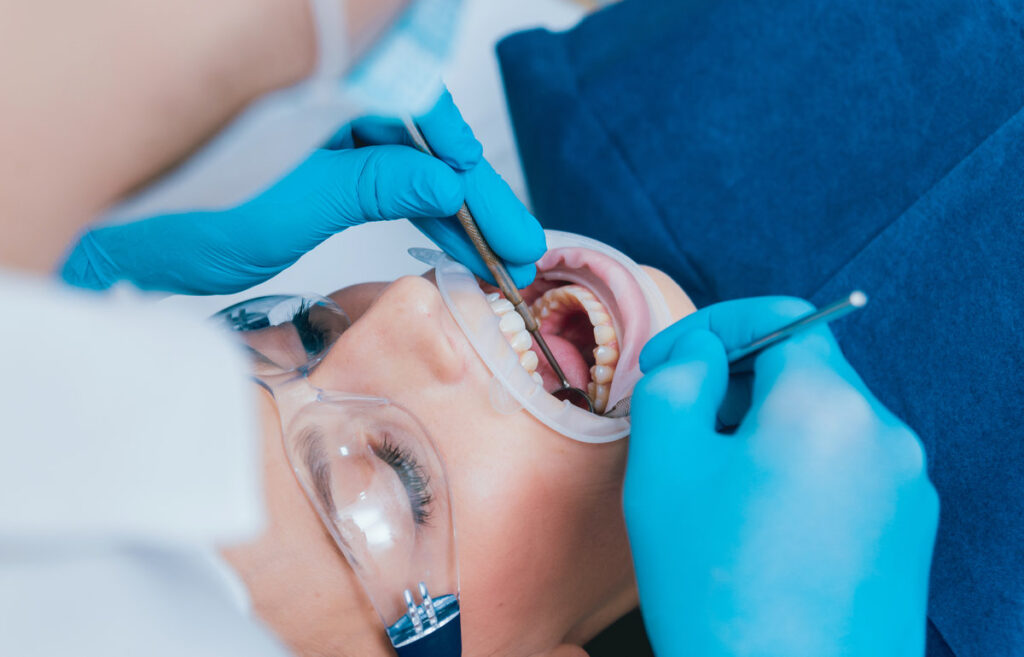
Composite bonding uses a tooth-colored resin that we sculpt directly onto your tooth, shape by hand, and harden with a curing light. Because the process happens in real time in the treatment chair, we can adjust the shape and shade as we go until the result blends naturally with your surrounding teeth. This hands-on approach gives you more say in the outcome than treatments fabricated off-site and delivered later.

The resin is designed to closely match the color of your natural enamel. We select from a range of shades before we begin, so the bonded area does not stand out against the rest of your smile. Once the resin is shaped and cured, we polish it so the texture and shine mirror your natural tooth surface.

A Single Visit From Start to Finish

One of the most appealing aspects of composite bonding is the timeline. You can walk into your appointment with a chipped tooth or a noticeable gap and walk out later that same day with the issue corrected. There is no lab work involved and no waiting period between preparation and placement.

This single-visit process also means less time away from work or family responsibilities. You will not need to schedule a temporary restoration or return weeks later for a final fitting. For patients who want a quick, effective fix without disrupting a busy schedule, this convenience is often the deciding factor.

Dental treatment with expander. Modern technology

Complete Family and Implant Dental Care

Comprehensive dental services from routine care to advanced implants, all under one roof for your convenience.

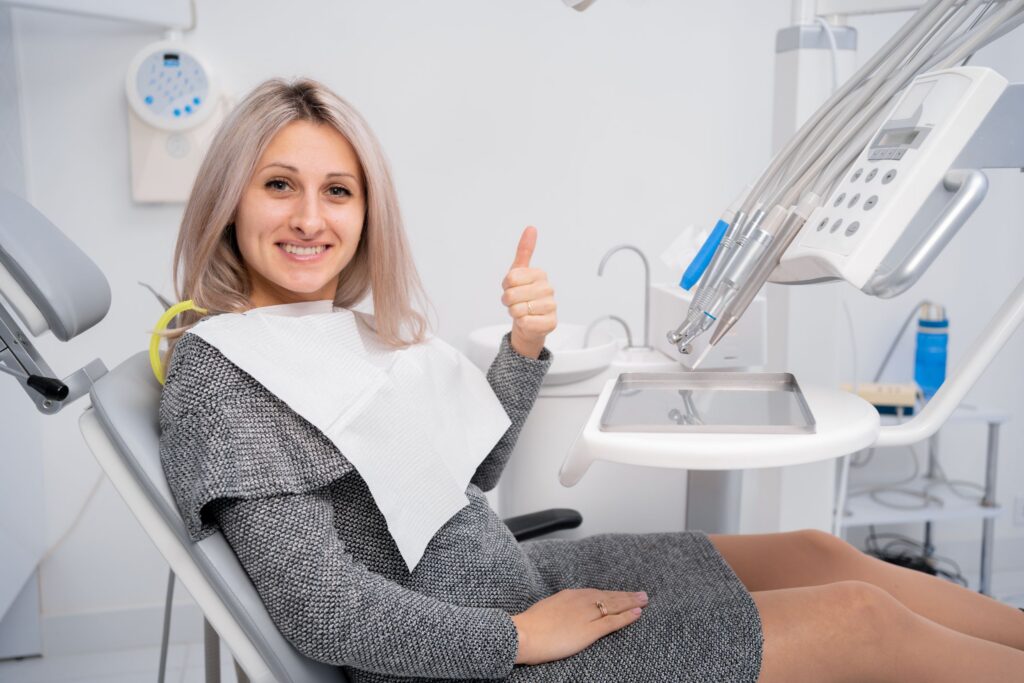
Woman patient in dental chair at North Creek Dental Care smiling
Happy woman at dental clinic

Comfort During Your Appointment

Most composite bonding appointments do not require anesthesia. Because the treatment works with your tooth’s existing structure rather than removing significant tooth material, we typically don’t need to numb the area before we begin. You may feel some light pressure while we shape the resin, but the process is generally described as painless.

This is one of several reasons patients appreciate bonding as an entry point into cosmetic dentistry. There is no needle, no numbness afterward, and no adjustment period for your mouth to feel normal again. You can return to eating and speaking normally almost immediately after your appointment ends.

Composite Bonding Compared to Veneers

Composite bonding and porcelain veneers both improve the appearance of your smile, but the two treatments differ in how they are applied and how much of your natural tooth they involve. Bonding is reversible and non-invasive because we apply the resin directly to the surface of your existing tooth without removing enamel beforehand. If you later decide you want a different cosmetic solution, we can adjust or remove the resin without permanently altering your tooth.

Porcelain veneers, on the other hand, typically require us to remove a thin layer of enamel so the veneer can sit flush against your tooth. This step makes veneers a more permanent commitment, because the enamel does not grow back once it has been prepared. Veneers can resist staining better over time, but that added durability comes with a procedure that cannot be undone.

For patients who want to test out a cosmetic change before committing to something permanent, or who have a smaller concern like a single chip or gap, bonding is often the more conservative starting point. Our guide to porcelain veneers explains the treatment in more detail if you are weighing both options.

How Long Composite Bonding Lasts

Composite resin is durable, but it isn’t as resistant to staining and chipping as porcelain. With regular brushing, flossing, and routine dental visits, bonded teeth typically last several years before a touch-up or replacement is needed. Avoiding habits like biting fingernails or chewing on ice can also help the resin last longer between adjustments.

According to the National Institute of Dental and Craniofacial Research, composite resin materials continue to improve and are increasingly preferred by patients who want a tooth-colored alternative to older filling materials. That same durability and aesthetic quality also make composite resin a dependable choice for cosmetic bonding.

Child smiling during pediatric dental visit at North Creek Dental Care in Tinley Park
Happy woman at dental clinic

Schedule Your Composite Bonding Consultation at North Creek Dental Care

Dr. Tom Ryan has been part of the Tinley Park community for years, growing up nearby and building his practice around the same values of straightforward, patient-focused care that shaped his upbringing in the area. That local connection carries into how we treat every patient who sits in our chair, whether the visit is a routine cleaning or a same-day cosmetic fix like composite bonding.

If a chip, gap, or shade mismatch has been bothering you, we would like to help you address it. Contact North Creek Dental Care today to schedule a composite bonding consultation with our Tinley Park team and find out how quickly we can help you feel confident in your smile again.

What Our Patients Are Saying

Scroll to Top