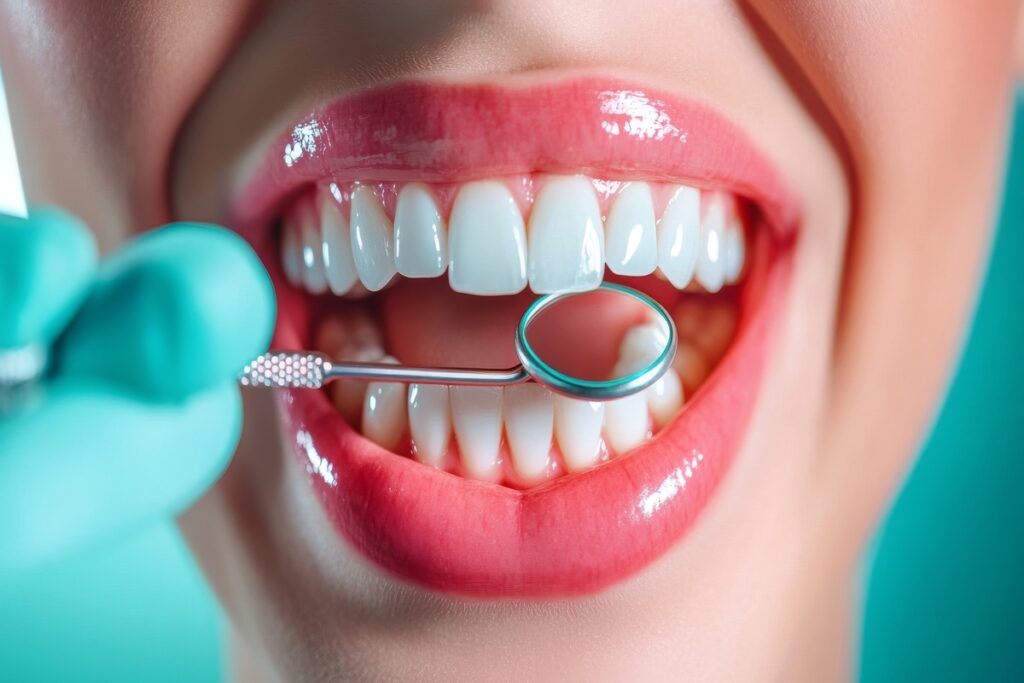
Tooth shape affects how your smile reads at a glance. Whether your front teeth are rounded, square, oval, or tapered, their outline influences how balanced and proportionate the smile looks next to your lips, gums, and face. Shape is easy to overlook because people tend to notice color first, but it is often the reason a smile looks “off” when the shade is already fine.
At North Creek Dental Care, our team looks at how every element of your smile works together. Serving the South Suburbs of Chicago from Tinley Park, we offer a full range of cosmetic dentistry services, and shape is one of the first things we evaluate when a patient wants a more natural-looking smile. Dr. Omar El Ebrashy, whose interests include restorative and cosmetic dentistry, was named Best Dentist in the Southland’s Best 2025 and 2026 awards.
How Tooth Shape Influences Smile Harmony
The shape of your teeth does not exist in isolation. It works together with your lip line, gum tissue, face shape, and the width of each tooth compared with its neighbors. Dentists have used several proportion guides to plan those widths, including the “golden proportion,” the recurring esthetic dental (RED) proportion, and the Preston proportion. These are planning tools, not fixed rules, and natural smiles that people find attractive vary widely.
A study published on PubMed in the Journal of Esthetic and Restorative Dentistry tested smile designs that combined four proportion schemes with oval and square tooth shapes. Smiles built on the golden proportion were rated lower than RED-based designs in several comparisons, and ratings differed by the viewer’s age and dental training. The authors suggested that RED or Preston proportions may suit smile design better than the golden proportion, which is a reminder that a good plan starts with your face rather than a formula.
The Most Common Tooth Shape Categories
Dentists often describe natural front teeth in a few broad categories. These are general impressions rather than strict types, and most smiles mix features of more than one:
- Square teeth have straighter sides and flatter edges and tend to look strong and even.
- Oval or rounded teeth have softer corners and tend to look gentler and more youthful.
- Tapered or triangular teeth narrow toward the gumline, which can leave small dark triangles between teeth if the gums do not fill the space.
- Rectangular teeth are longer than they are wide and give the smile a taller, more structured look.
Understanding which shape works best for your face requires more than a preference. It involves a careful look at your facial proportions, bite, gum health, and the color and size of the surrounding teeth.
When Tooth Shape Becomes a Problem
Teeth can change shape over time. Bruxism, or the habit of grinding and clenching, gradually wears down the edges of teeth by rounding them out or flattening them, which can disrupt the natural look of the smile. Chips, cracks, and old restorations can also alter shape in less obvious but equally noticeable ways. Even natural wear from years of use can shorten the front teeth, so less tooth shows when you smile.
If you have noticed that your smile looks different from how it used to, or if you have always felt that something was slightly off without being able to put your finger on it, tooth shape may be the reason. When wear is caused by grinding, protecting the teeth with a night guard is usually part of the plan, since new restorations face the same forces. Porcelain veneers can be custom-made in a new outline when several front teeth need a change in shape or length. Dental crowns offer another option for teeth that have experienced more significant structural changes, restoring both form and function.
Cosmetic Solutions That Address Tooth Shape
Reshaping a smile can range from very small adjustments to a coordinated, multi-step plan. Small irregularities, such as a slightly uneven edge, can sometimes be smoothed with enamel contouring, which removes a tiny amount of enamel without any added material. Cosmetic fillings and composite bonding can rebuild minor chips or asymmetries by adding tooth-colored resin, usually with little or no removal of healthy tooth structure. For patients seeking a full transformation, a smile makeover combines multiple treatments into a coordinated plan.
The key in all of these cases is working with a team that approaches your smile as a whole rather than treating each tooth as a separate problem. Tooth shape, tooth color, gum symmetry, and bite alignment all interact, and the most lasting results come from addressing them together. Our post on facial symmetry in smile design covers how the face guides those decisions.
Shape vs. Color vs. Spacing: Which Concern Is Yours?
Shape problems are often confused with color or spacing problems, and each one points to a different treatment. If teeth are a good shape but yellowed, whitening may be enough. If chalky white spots are the issue, see our guide to veneers, whitening, and ICON resin infiltration for how those options differ. If the teeth are well shaped but separated, read whether veneers can fix gaps between teeth.
Shape changes are usually the right focus when teeth look short, worn, chipped, pointed, or mismatched in size. A digital preview or a temporary mock-up can show how a new outline would look before any permanent work begins.
Achieve the Smile You Want at North Creek Dental Care
At North Creek Dental Care, our doctors bring a collaborative approach to every cosmetic case. Dr. Charles H. Goodman is a board-certified periodontist, which helps when gum shape and gum health are part of the picture. Whether your goals are subtle refinements or a full redesign, we take the time to understand what you are looking for and build a plan around it. North Creek Dental Care was named Best Dental Office in the Southland’s Best 2026 awards.
If tooth shape has been holding your smile back, a consultation can show you what is realistic for your teeth. Our team serves Tinley Park and the surrounding South Suburbs with a full menu of cosmetic treatments. Meet our doctors to learn more about our team, and when you are ready to take the next step, contact us to schedule your consultation.
Frequently Asked Questions About Tooth Shape
Can a dentist change the shape of my teeth without veneers?
Often, yes, for small changes. Enamel contouring can smooth a slightly uneven or pointed edge, and composite bonding can add tooth-colored resin to rebuild a chip or lengthen a short tooth. Veneers or crowns are usually considered when several teeth need larger changes in shape, length, or color.
Is the golden proportion the ideal for front teeth?
Not necessarily. The golden proportion is one of several guides dentists use, and research has found that smiles designed with other proportions, such as the recurring esthetic dental proportion, are often rated as equally or more attractive. Your face, lips, and gums matter more than any single ratio.
Why do my front teeth look shorter than they used to?
Common causes include grinding or clenching, acid erosion, and normal wear over many years, all of which shorten or flatten the biting edges. Changes in the lips and gums with age can also show less tooth. A dentist can identify the cause and recommend protection, such as a night guard, before restoring the length.
Can I see what a new tooth shape will look like before treatment?
In many cases, yes. Dentists can use digital smile design images or a temporary mock-up placed over your teeth so you can preview the proposed shape and length. This lets you give feedback and adjust the plan before any permanent bonding, veneers, or crowns are made.
What Our Patients Are Saying

Medically Reviewed By
The content on this site is medically reviewed by the experienced dental professionals at North Creek Dental Care in Tinley Park, IL. Led by Dr. Sharon L. Linder, DDS, and Dr. Bradley A. Engel, DDS, our team brings decades of combined clinical experience in general, cosmetic, and restorative dentistry. Every article reflects our commitment to evidence-based care, patient education, and the highest standards in oral health.
- Fact Checked
- Editor