
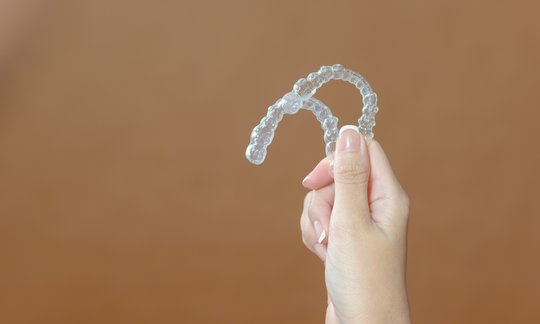
Clear aligners have become a popular way to straighten teeth without the look of traditional braces, but their success depends heavily on how well you care for them day to day. Because you wear your trays for the majority of your waking hours, keeping them clean is just as important as keeping your teeth clean, and small habits make a bigger difference than most patients expect.
At North Creek Dental Care, we work with patients throughout their clear aligner treatment to help them get the most predictable results possible. We know questions about cleaning, storage, and daily handling come up often, so we put together this guide to walk you through what works and what to avoid.
Why Aligner Hygiene Matters More Than You Might Think
Your aligners sit against your teeth for up to 22 hours a day, which means anything that collects on the tray surface has extended contact with your enamel and gums. Bacteria and plaque can build up quickly if you don’t clean aligners consistently, and that buildup transfers directly back onto your teeth every time you reinsert the tray.
Research published through the National Library of Medicine notes that clear aligners are not perfectly smooth and that grooves, ridges, and microabrasions on the tray surface can provide a favorable environment for bacterial adhesion and plaque formation over time, particularly when cleaning routines are inconsistent. A combination of mechanical cleaning, such as brushing, and chemical cleaning methods together produced the most effective results for reducing biofilm buildup on aligner trays.
The Basics of Daily Cleaning
A good cleaning routine does not need to be complicated to be effective. Rinse your aligners with lukewarm water every time you remove them, as this clears away saliva and loose debris before it can dry onto the plastic. Avoid hot water, since heat can warp the material and affect your trays’ fit.
Brush your aligners gently with a soft-bristled toothbrush at least once a day, ideally when you brush your teeth, using a small amount of clear, unscented soap or a non-abrasive cleaner made specifically for aligners. Skip toothpaste for this step, since many formulas contain abrasives that can scratch the plastic and create tiny grooves where bacteria settle more easily.
Proper Storage Between Wears
How you store your aligners when they are out of your mouth matters just as much as how you clean them. Always keep your case with you, whether you are at work, running errands, or eating a meal, so your trays have a safe place to go the moment you take them out. Aligners left loose on a napkin or countertop are far more likely to get lost, damaged, or contaminated with bacteria from surrounding surfaces.
Keep your case in a cool, dry spot, since prolonged heat exposure, like leaving them in a hot car, can distort the trays permanently. A distorted aligner will not fit properly and can throw off your treatment progress, so it is one of the more costly mistakes to make. It is also worth rinsing your case periodically with warm water, since bacteria can build up inside it over time even if you are diligent about cleaning the aligners themselves.
Common Mistakes That Slow Down Treatment
Several habits can quietly undermine an otherwise solid aligner routine, and most of them are easy to fix once you know what to look for. Some of the most frequent issues we see include the following:
- Eating or drinking anything besides water while wearing aligners, which can stain or damage the trays
- Using whitening toothpaste or harsh cleaning agents that scratch the plastic surface
- Soaking aligners in mouthwash for extended periods, since the alcohol and dyes in many formulas can cause discoloration
- Forgetting to bring a case, which leads to aligners being wrapped in napkins or left exposed on surfaces
- Skipping the recommended wear time, which can slow tooth movement and extend treatment overall
Building a few of these fixes into your daily routine goes a long way toward keeping your aligners clear, comfortable, and effective throughout treatment. Once these habits become second nature, most patients find that aligner care barely feels like an extra step in their day.
When to Reach Out for Help
If your aligners ever feel unusually loose, develop a persistent odor even after cleaning, or show visible cracks or cloudiness, it is worth having them checked rather than waiting until your next scheduled visit. Catching an issue early is almost always easier to resolve than waiting for it to affect your bite or your timeline.
We also recommend bringing your case to every visit so we can take a look at your trays in person and make sure everything is tracking the way it should. Small adjustments early on tend to prevent bigger disruptions later in treatment.
Get the Most Out of Your Clear Aligner Treatment With Us
At North Creek Dental Care, we want your clear aligner experience to be as smooth as possible from your first tray to your last. Our team, led by Dr. Tom Ryan, DDS, has years of experience guiding patients through orthodontic treatment, and we are always available to answer questions about aligner care, retainers after treatment, or anything else related to your smile.
We also offer complimentary consultations if you are still deciding whether clear aligners are the right choice for you, and our membership program can help make ongoing care more affordable along the way. If you have questions about your aligners or want to schedule a visit, reach out to our team, and we will be glad to help.
What Our Patients Are Saying