
You catch your reflection in a store window and notice it again: teeth that look duller than you remember, or a chip you keep meaning to fix. Choosing between a cosmetic upgrade and a simple refresh can feel daunting when you are not sure what each option actually accomplishes for your smile.
At North Creek Dental Care, we often hear this question from patients who want a brighter, more confident smile but aren’t sure whether porcelain veneers or teeth whitening is the better fit. Both treatments can transform your smile, but they solve different problems and work best for different goals.
What Teeth Whitening Can and Cannot Fix
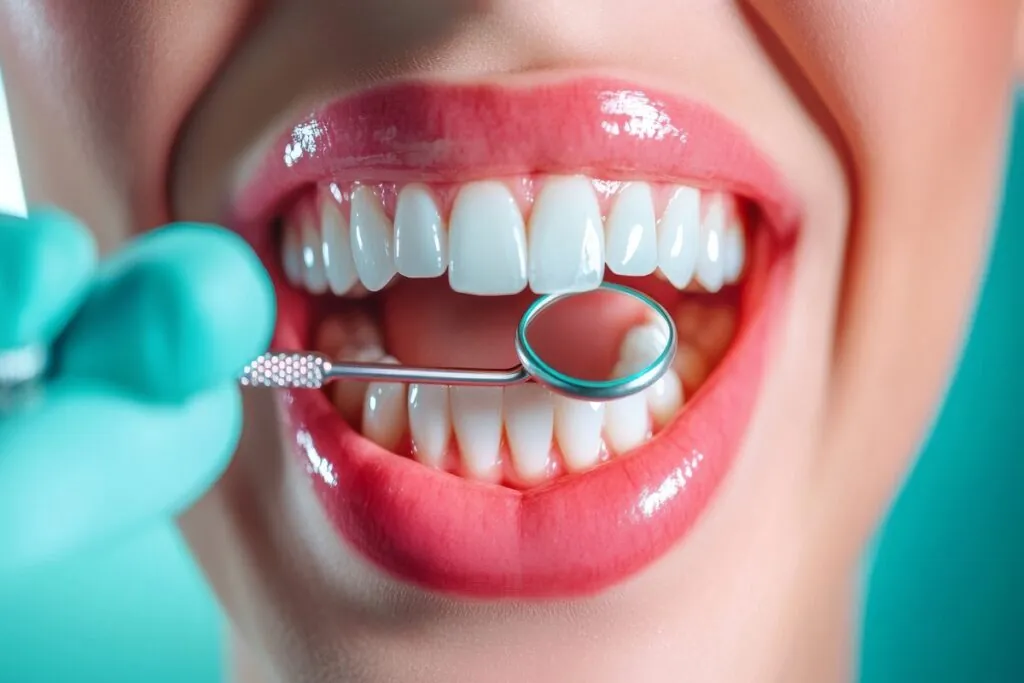
Teeth whitening is one of the most requested cosmetic treatments because it is fast, affordable, and noticeably brightens your existing enamel. Professional whitening uses a stronger bleaching agent than store-bought kits, which means it lifts stains more evenly and typically produces longer-lasting results.
Whitening works well for surface stains caused by coffee, tea, red wine, or tobacco, along with mild yellowing that comes with age. It will not change a tooth’s shape, close a gap, or fix a chip, and it cannot lighten crowns, veneers, or fillings, since those materials do not respond to bleaching agents the way natural enamel does. A study published in the International Journal of Molecular Sciences found that hydrogen peroxide-based whitening produced the greatest color change among the agents tested. However, it caused very mild surface alteration to enamel compared to gentler alternatives, which is why professional guidance on strength and duration matters.
If your main concern is discoloration and your teeth are otherwise healthy and well-aligned, whitening alone may give you the result you want. It is also a smart way to see how a brighter shade looks on you before committing to a more permanent option like veneers.
What Porcelain Veneers Are Designed to Address
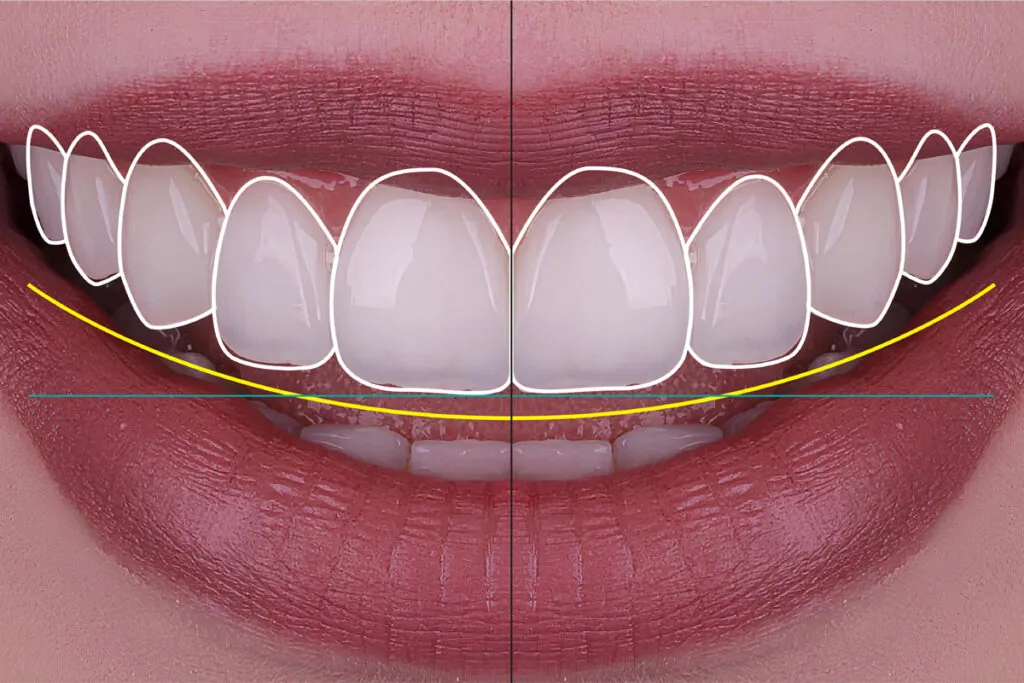
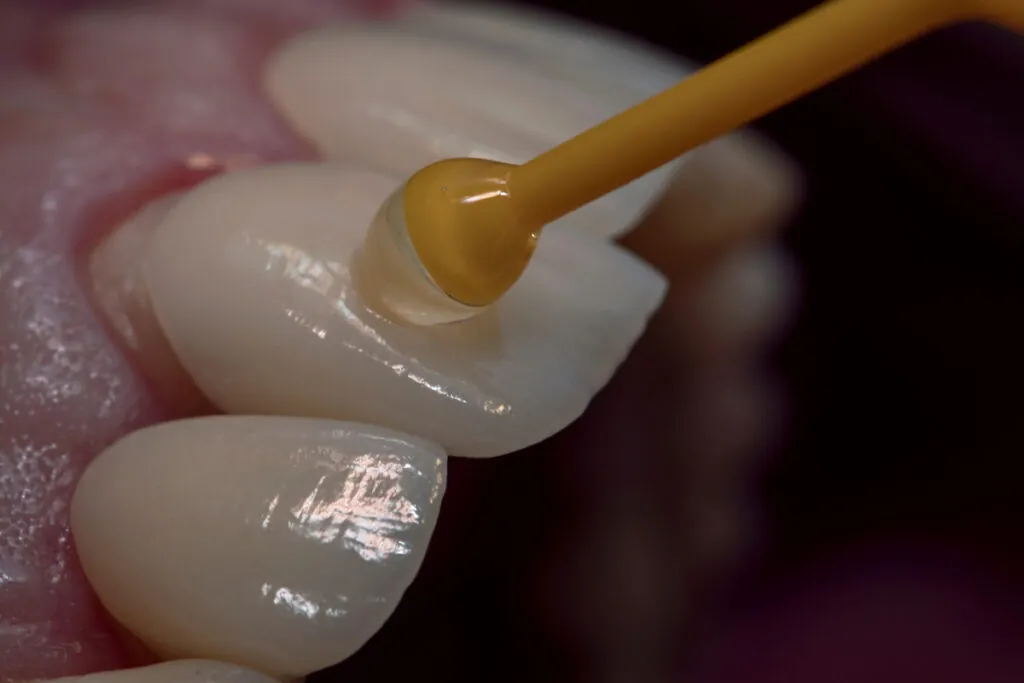
Porcelain veneers are thin, custom-made shells bonded to the front of your teeth to correct issues whitening can’t address. They can reshape uneven teeth, close small gaps, cover chips or cracks, and mask discoloration that will not respond to bleaching, such as staining from certain medications or old fillings.
Because veneers are crafted from porcelain, they resist staining far better than natural enamel, which means the bright, uniform look tends to hold up over the years with routine care. They also allow for more dramatic transformations in a shorter timeline than orthodontics alone, which appeals to patients preparing for events like weddings or reunions. If you are curious whether this treatment fits your situation, our blog on who makes a good candidate for veneers covers the most common questions we hear.
Veneers require more planning than whitening since a small amount of enamel is typically removed to prepare the tooth. That trade-off is worth it for many patients because the results address structural concerns alongside color, giving you a smile that looks proportionate and cohesive rather than just brighter.
Comparing Cost, Timeline, and Longevity
Deciding between the two often comes down to budget, how quickly you want results, and how long you want them to last. Here is a general comparison to help frame the conversation with your dentist:
- Teeth whitening is typically the lower-cost option and can be completed in a single office visit or over a short at-home course.
- Porcelain veneers involve a higher upfront investment but are designed to last many years with proper care, since the material itself resists future staining.
- Whitening addresses color only, while veneers can correct shape, spacing, and color at the same time.
- Veneers require preparation and fabrication, often spanning a few appointments, while whitening results appear almost immediately.
Weighing these factors against your specific goals will help you and your dentist decide which path makes more sense; in some cases, a combination approach works best.
Choosing the Right Combination for Your Smile
Some of our patients start with whitening to brighten their natural teeth, then move to veneers on a few problem teeth so everything matches in tone and shape. Others whiten first simply to establish a baseline shade before any restorative work begins, which helps ensure the final result looks natural next to surrounding teeth.
There is no single right answer, since the ideal path depends on your current tooth structure, the specific changes you want, and how much maintenance you are comfortable with over time. This is also a good moment to think about your broader smile goals, including whether you are interested in clear aligners or other treatments in our smile design approach, since alignment, shape, and color all work together in a finished smile.
Let Us Help You Find the Right Fit at North Creek Dental Care
Every smile has different needs, and the best way to know whether whitening, veneers, or a combination of both is right for you is to talk with a dentist who can evaluate your teeth in person. We take the time to understand what you want your smile to look like and explain how each option can get you there, without pushing treatments you don’t need.
If you are ready to explore your options, contact us to schedule a consultation, and we will walk you through a plan tailored to your goals.