Choosing to invest in dental implants is a significant decision, and if you smoke, you may be wondering whether that habit could stand between you and a successful outcome. The research is detailed that smoking meaningfully reduces the long-term success of dental implants, and understanding how and why can help you make informed decisions about your oral health and future smile.
At North Creek Dental Care, we help patients throughout the Southland area explore their tooth replacement options with honesty and care. Our team evaluates each patient individually, factoring in lifestyle habits like tobacco use as part of a thorough assessment before recommending dental implants as a solution.
How Smoking Affects the Implant Process
Tobacco use creates real biological challenges for patients pursuing implants, and those challenges begin well before surgery and continue through the entire healing period. Two key mechanisms are worth understanding in detail.
Impaired Blood Flow and Oxygen Delivery
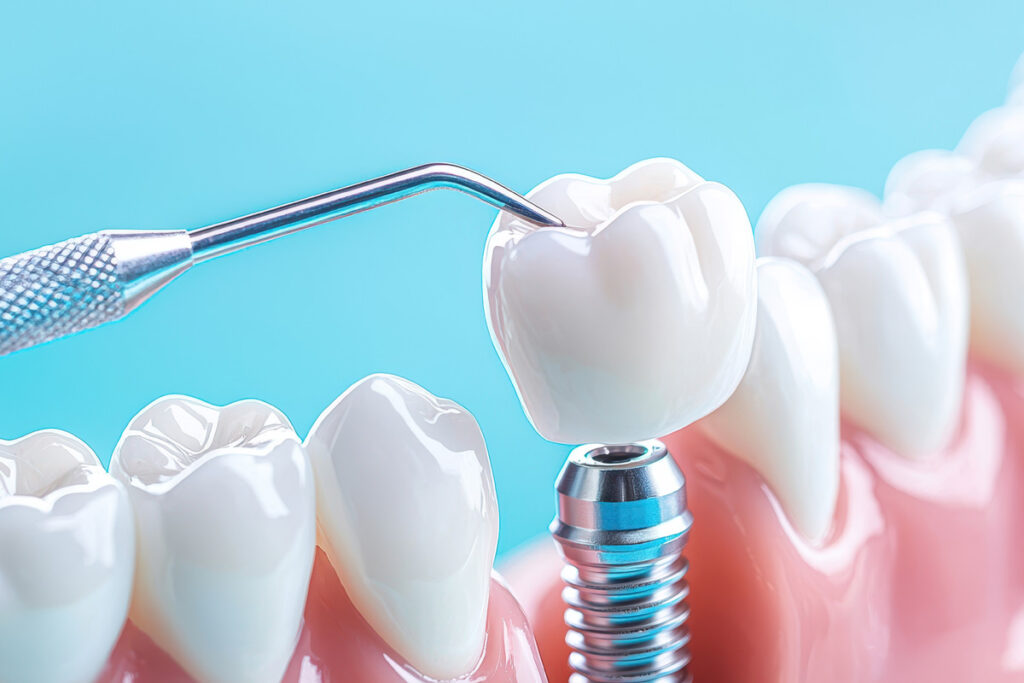
Smoking narrows your blood vessels, which means less oxygen reaches your gums and bone. This makes it harder for your body to heal after surgery and increases your risk of infection. Since the implant needs to fuse with your jawbone to function, a healthy blood supply is essential. If that supply is cut off, the implant might not bond properly, increasing the risk of failure.
Higher Risk of Infection
Smokers are more vulnerable to bacterial infections in the mouth, partly because tobacco use weakens immune defenses and alters the oral microbiome. After implant surgery, the gum tissue and bone surrounding the implant are susceptible to a condition called peri-implantitis. This bacterial infection degrades the bone that holds the implant in place. Gum disease treatment may be required when infection takes hold around an implant site, and in difficult cases, the implant itself may need to be removed.
What the Research Says
The clinical evidence connecting smoking to higher implant failure rates is substantial. A systematic review and meta-analysis published in Medicina found that implants placed in smokers carried a significantly higher failure risk compared to non-smokers, with an odds ratio of 2.402, meaning smokers face roughly 2.4 times the failure risk. The analysis included data from over 35,000 implants placed in smokers and more than 114,000 in non-smokers, making it one of the largest reviews of its kind.
It is also worth noting that the risk increases with smoking intensity. Research shows a clear dose-response relationship, meaning patients who smoke more cigarettes per day face greater implant risk than lighter smokers. Quitting before surgery and maintaining that cessation during healing can meaningfully improve outcomes and bring a smoker’s odds closer to those of a non-smoker.
Can Smokers Still Get Dental Implants?
Smoking does not automatically disqualify a patient from receiving implants, but it does require careful evaluation and a candid conversation. At North Creek Dental Care, our doctors assess bone density, gum health, and overall oral health before recommending any implant procedure. Patients who smoke may be advised to quit before surgery, maintain excellent oral hygiene, and commit to more frequent follow-up visits to monitor the implant site.
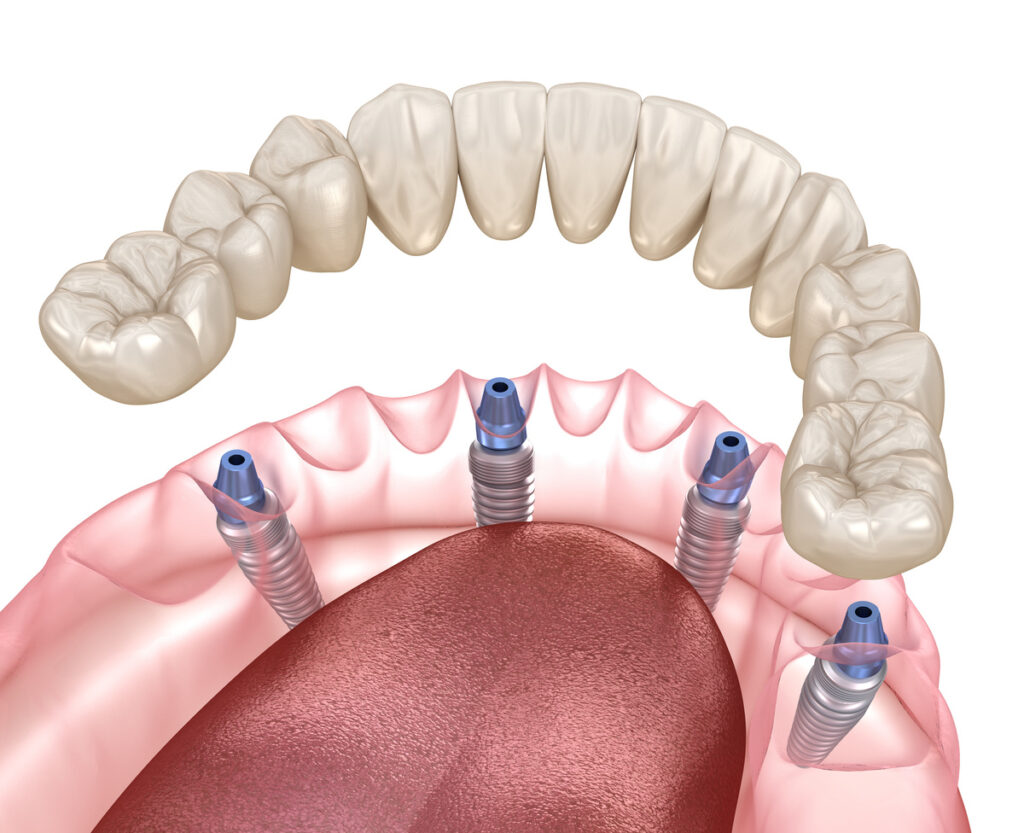
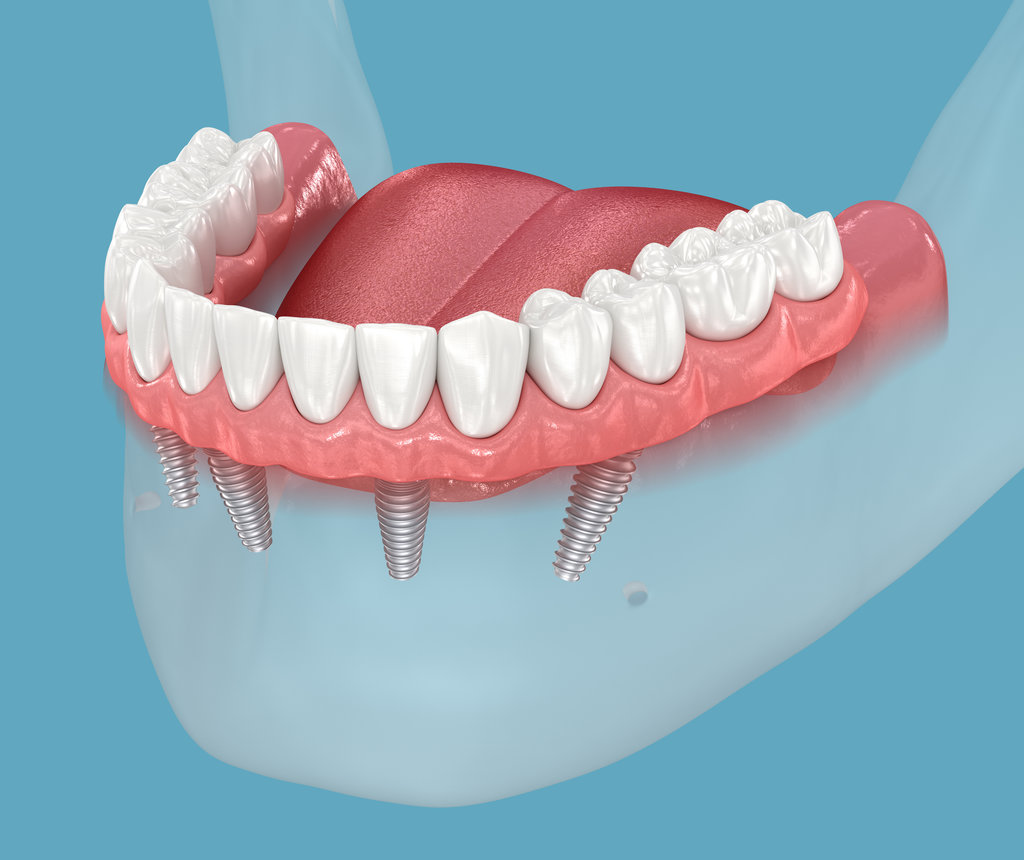
For patients considering a single tooth implant or a full-arch restoration, the approach may vary depending on smoking history and current oral health. In some cases, additional preparatory treatments may be recommended to optimize conditions for success. Our team takes the time to walk through every factor with you so you are never left with unanswered questions.
What to Expect During Your Implant Consultation
When you come in for a consultation, the conversation about tobacco use is part of a broader health history review. The following are key areas our team evaluates during that process:
- Bone density: Sufficient jawbone volume is required to support an implant post
- Gum tissue health: Active gum disease must be addressed before implant placement
- Healing history: Prior surgical outcomes and any history of infection are considered
- Smoking habits: Duration and intensity of tobacco use factor into candidacy and planning
- Overall health: Systemic conditions that interact with smoking may affect the treatment plan
This comprehensive review helps us develop a realistic picture of your candidacy and set accurate expectations from the start. Some patients who smoke have pursued same-day dental implants with strong outcomes by committing to pre- and post-surgical guidelines, including quitting or significantly reducing tobacco use.
Talk to North Creek Dental Care About Your Implant Options
Smoking is a real factor in implant success, but it does not have to be the end of the conversation. With the right preparation, honest expectations, and a committed care team, many patients who smoke have gone on to receive successful implants and improved quality of life. Our doctors, including Dr. Tom Ryan, DDS, bring decades of clinical experience to every consultation and a genuine commitment to helping you achieve a healthy, lasting smile.
North Creek Dental Care is proud to have been recognized as Southland’s Best Dental Office in 2024, 2025, and 2026, and we continue to serve the community with the same level of care that has earned us that recognition. We also offer flexible financing options and a dental membership program to make high-quality care more accessible. If you are a smoker considering implants or want to understand what your options look like, contact our office to schedule a consultation and take the first step toward a solution that works for you.
What Our Patients Are Saying

Medically Reviewed By
The content on this site is medically reviewed by the experienced dental professionals at North Creek Dental Care in Tinley Park, IL. Led by Dr. Sharon L. Linder, DDS, and Dr. Bradley A. Engel, DDS, our team brings decades of combined clinical experience in general, cosmetic, and restorative dentistry. Every article reflects our commitment to evidence-based care, patient education, and the highest standards in oral health.
- Fact Checked
- Editor