The type of dental implant that is right for you depends on factors most patients never think to ask about, and getting the right answer from the start can mean the difference between a restoration that thrives for decades and one that falls short. Traditional and mini dental implants both replace missing teeth, but they differ significantly in size, surgical approach, bone requirements, and the types of restorations they best support.
At North Creek Dental Care, we help patients throughout the Southland area navigate these decisions with clarity and confidence. Our team conducts thorough evaluations before recommending any implant approach. If you are new to exploring options or returning after an initial consultation elsewhere, we are here to make the path forward feel manageable. Learn more about our full range of dental implant solutions to understand what may be available to you.
How Each Implant Type Works
Both traditional and mini dental implants function as artificial tooth roots anchored into the jawbone, but their structural differences have meaningful implications for candidacy, procedure complexity, and recovery. Understanding those differences is a useful first step before any consultation.
Traditional Dental Implants
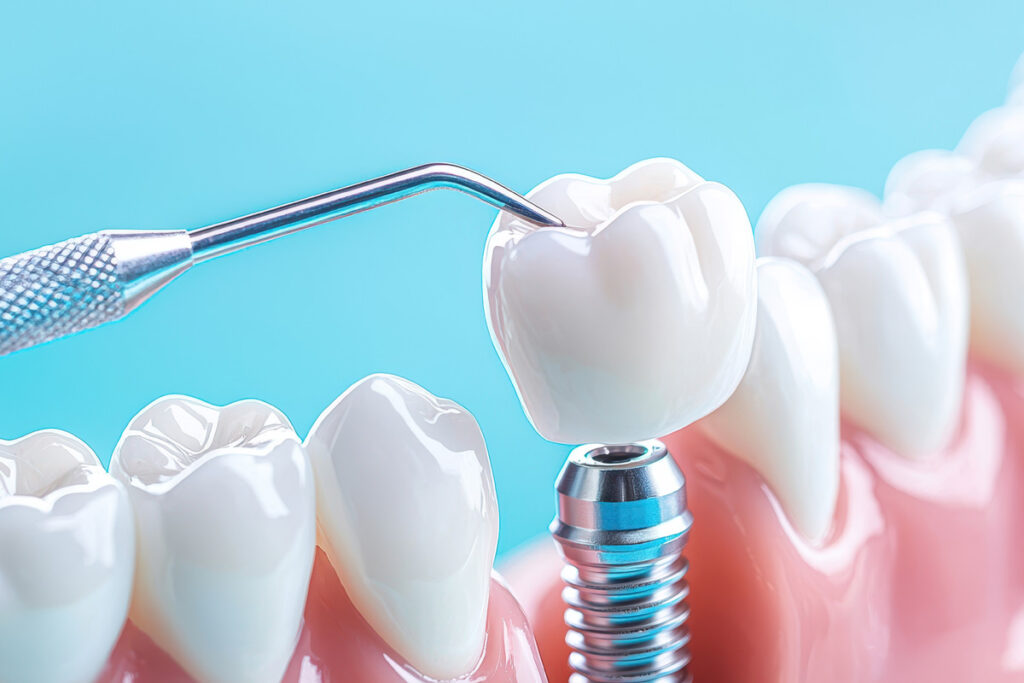
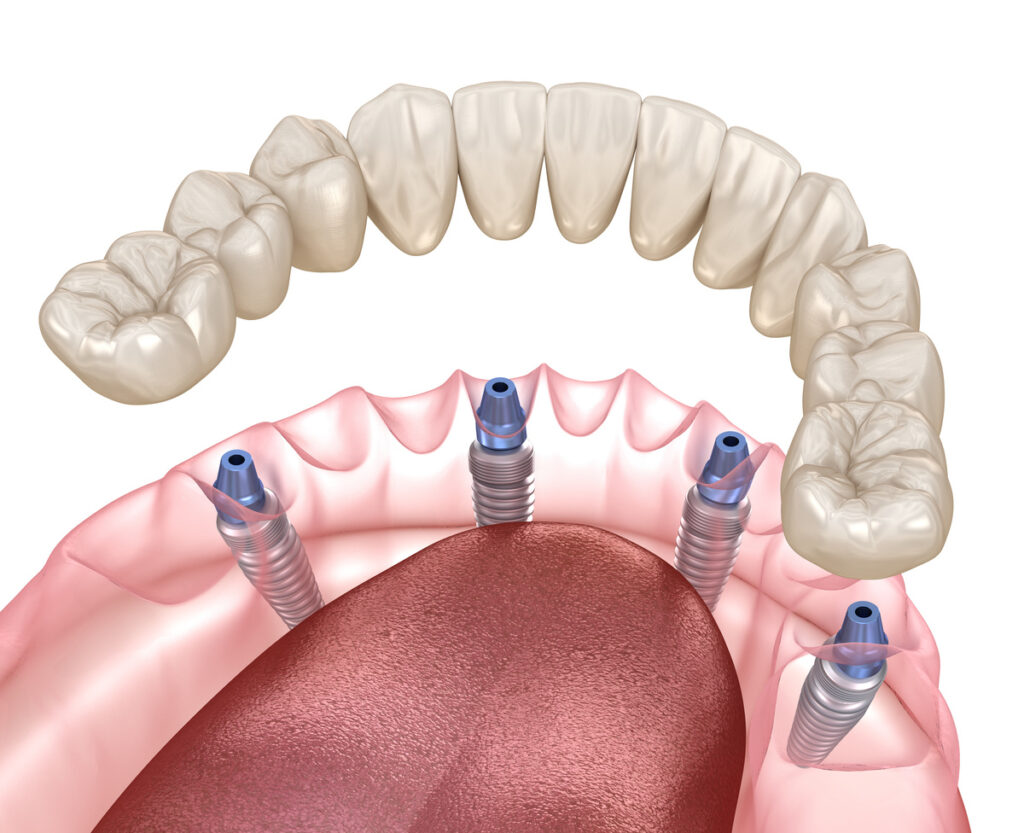
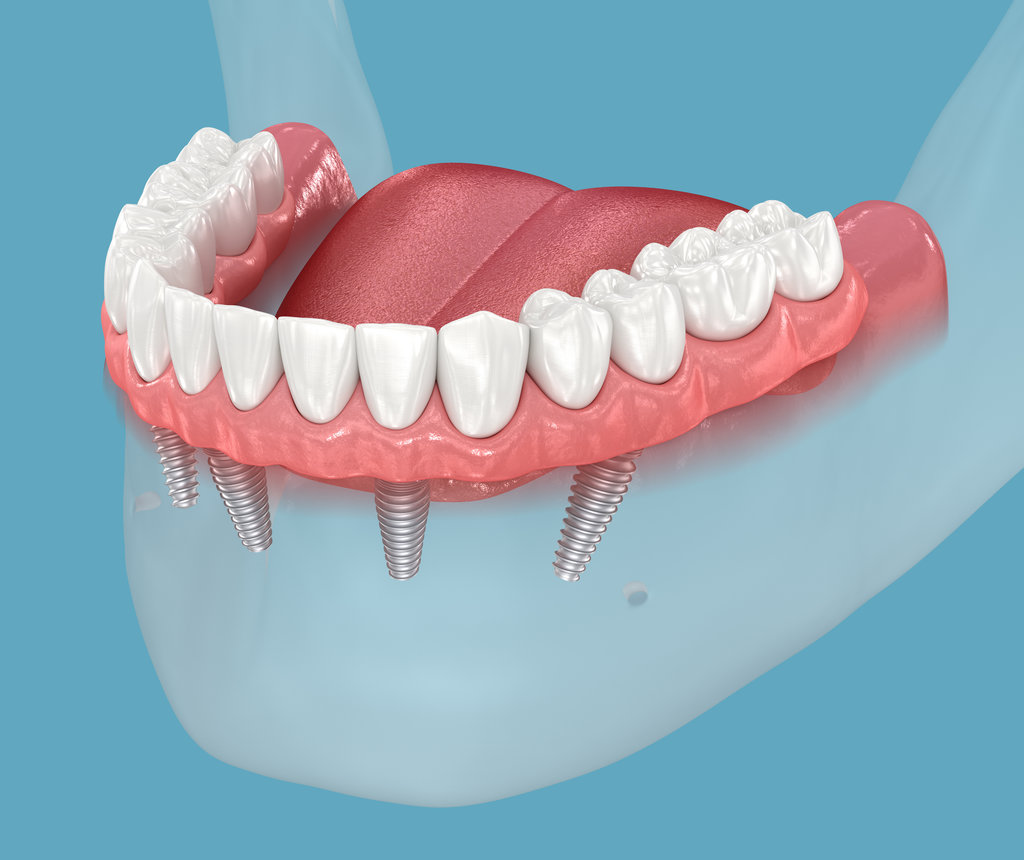
A traditional implant uses a titanium post, typically between 3.5 and 5 millimeters in diameter, that is surgically placed into the jawbone. A healing period of several months follows to allow osseointegration, the process by which bone fuses around the post, creating a permanent anchor. Once healed, an abutment and custom crown are attached to complete the restoration. Traditional implants are the gold standard for tooth replacement due to their durability and load-bearing capacity. They are well-suited for single missing teeth as well as larger restorations, such as bridges and full-arch solutions.
Mini Dental Implants
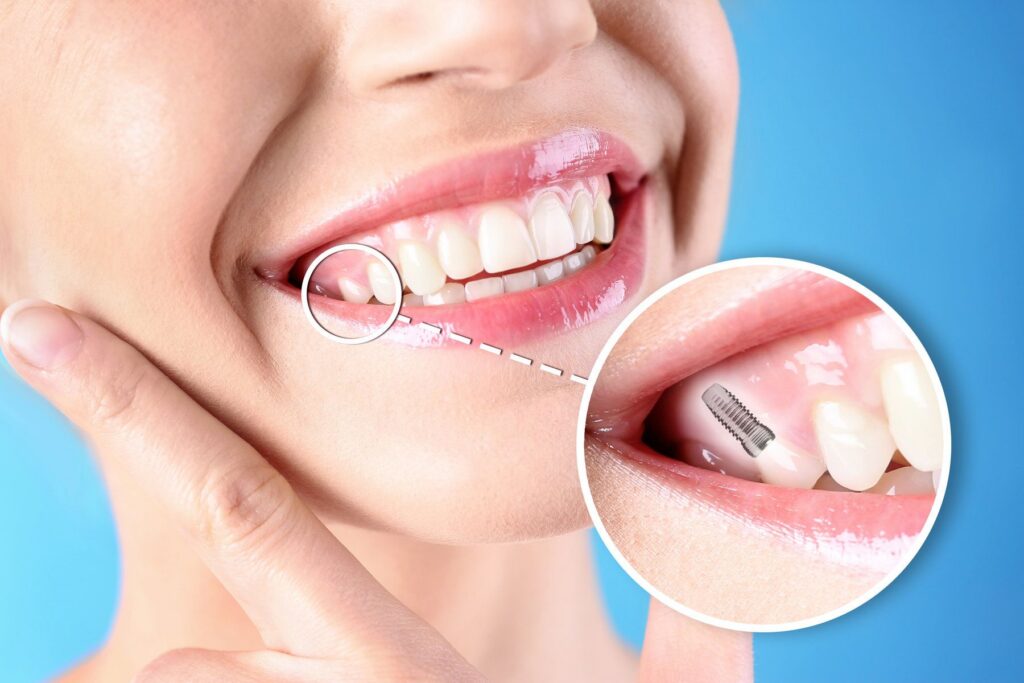
Mini dental implants follow the same basic principle but use a much narrower post, generally under 3 millimeters in diameter. Because of their smaller size, they often require less bone volume and are frequently placed without a full surgical incision, making the procedure less invasive overall. In many cases, a removable prosthesis can be attached the same day as placement. A 2021 systematic review published in the International Journal of Environmental Research and Public Health found that mini dental implants can be a viable and less invasive option for patients seeking implant-supported restorations. Mini implants are most commonly used to stabilize lower dentures and in situations where bone volume or anatomy limits traditional implant placement.
Key Differences to Know
When comparing the two options, several distinctions stand out across the most common patient considerations. The following breaks down how traditional and mini implants differ:
- Size: traditional implants measure 3.5 to 5 mm in diameter; mini implants are under 3 mm in diameter.
- Bone requirements: traditional implants require adequate bone density and volume; mini implants may be suitable for patients with some bone loss.
- Procedure invasiveness: traditional implants typically involve surgical incisions and sutures; mini implants are often placed with minimal or no incision.
- Healing timeline: traditional implants require months of osseointegration before loading; mini implants may allow same-day loading in qualifying cases.
- Best use cases: traditional implants are preferred for single teeth, bridges, and full-arch restorations; mini implants are most commonly used to stabilize removable dentures.
Your anatomy, bone health, and restoration goals will ultimately guide which option is more appropriate, and a thorough consultation is the only way to know for certain.
Who Is a Candidate for Each Option?
Traditional implants generally require sufficient jawbone density to support osseointegration. Patients who have experienced significant bone loss may need a bone grafting procedure before qualifying, which can extend the overall treatment timeline. Patients in good general health with adequate bone structure tend to be the strongest candidates for All-on-4 dental implants and other traditional implant-supported restorations.
Mini implants are often considered for patients who lack the bone volume needed for traditional implants or prefer a less invasive procedure. However, because of their smaller diameter, they are not designed to withstand the same occlusal forces as traditional implants and may not be appropriate for all restoration types. A comprehensive evaluation, including imaging and a review of your bone structure, is essential before determining whether mini implants are a realistic option for your case.
What to Expect at Your Consultation
At North Creek Dental Care, every implant consultation begins with a thorough review of your dental and medical history, along with imaging to assess bone structure. Our team walks through the available options clearly so you leave with a genuine understanding of what each approach involves and what recovery may look like. For patients who want to explore accelerated timelines, we also offer same-day dental implants for qualifying candidates.
We take a patient-first approach to implant planning, which means we will never recommend a procedure that does not align with your anatomy and long-term oral health goals. Our team presents realistic expectations from the start, so there are no surprises along the way.
Talk to North Creek Dental Care About Your Implant Options
Finding the right implant solution starts with a conversation, and our team is here to make that process straightforward and pressure-free. A personalized evaluation is the only way to determine which option truly fits your anatomy, goals, and budget, and we take the time to walk through every detail so you leave with real clarity. North Creek Dental Care has proudly served the Southland community for decades and was recognized as Southland’s Best Dental Office in 2024 and 2025.
We offer complimentary dental implant consultations, flexible financing options, and a dental membership program to make high-quality care more accessible. Whether you are just beginning to explore your options or are ready to move forward, contact our office to schedule your consultation today.

Medically Reviewed By
The content on this site is medically reviewed by the experienced dental professionals at North Creek Dental Care in Tinley Park, IL. Led by Dr. Sharon L. Linder, DDS, and Dr. Bradley A. Engel, DDS, our team brings decades of combined clinical experience in general, cosmetic, and restorative dentistry. Every article reflects our commitment to evidence-based care, patient education, and the highest standards in oral health.
- Fact Checked
- Editor