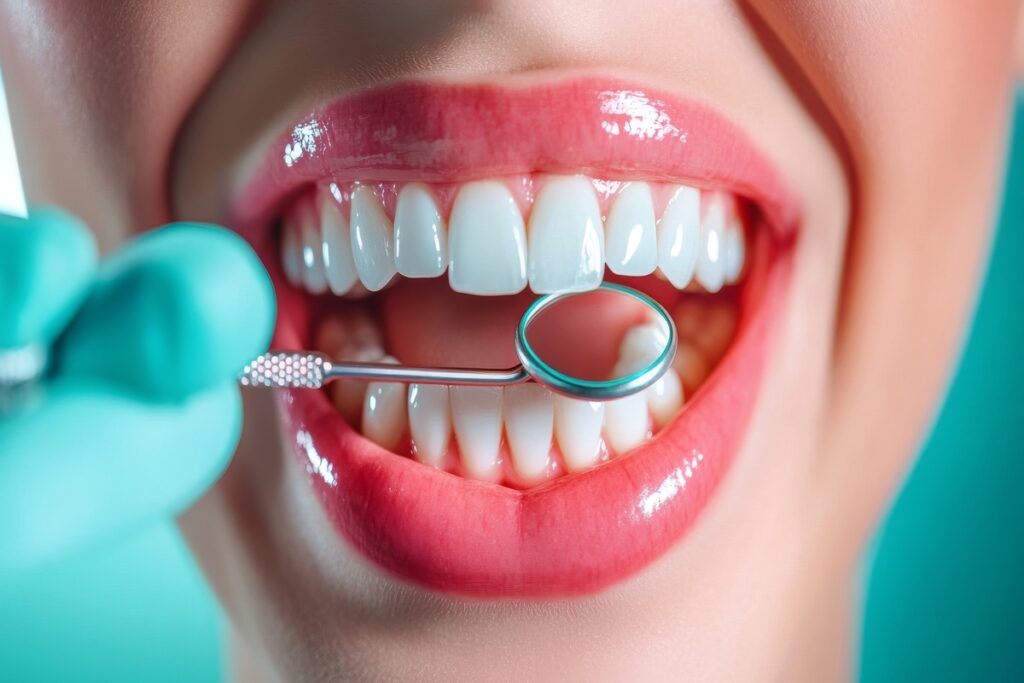
Gaps between teeth can make you feel self-conscious about your smile, affecting confidence in social and professional settings. Yes, veneers can close many small to moderate gaps between front teeth by adding width to the teeth on either side of the space, without the longer timeline of orthodontic treatment. They are not the only option, though, and the best choice depends on why the gap is there and how large it is.
At North Creek Dental Care, our team provides cosmetic dentistry services to address gaps and other aesthetic concerns. Dr. Omar El Ebrashy earned his Doctor of Dental Medicine degree from Boston University with High Honors and received the Academy of General Dentistry Award. Our practice has served the community for over four decades, helping patients achieve smiles that reflect their desired appearance.
Why Gaps Between Teeth Happen
A gap, called a diastema when it sits between the two upper front teeth, can have several causes. Teeth that are small relative to the jaw, a missing or undersized tooth, a thick band of tissue (frenum) attached between the front teeth, tongue thrust or thumb-sucking habits, and gum disease that lets teeth drift can all leave space. Some gaps are simply hereditary.
The cause matters because it affects which treatment will last. A gap from bone loss due to gum disease needs that disease treated before any cosmetic work. A gap held open by a prominent frenum may need a frenectomy evaluation, and a gap caused by tooth position may respond better to orthodontics.
How Veneers Close Tooth Gaps
Veneers are thin shells of porcelain or composite material custom-made to cover the front surface of teeth. When closing gaps, veneers add width to the teeth on either side of the space. The design accounts for the gap size, tooth position, and your facial features to create a balanced, natural result. Each veneer is made to specifications so the closed space blends with your surrounding teeth.
The process begins with your dentist preparing the tooth surfaces to receive veneers. Preparation typically involves removing a small amount of enamel so the veneer does not look bulky, and that step cannot be undone. Impressions or digital scans capture the exact dimensions needed for your custom veneers, which are fabricated in a dental laboratory. Temporary veneers may protect your prepared teeth while the permanent ones are created.
Veneers vs. Bonding vs. Orthodontics for Gaps
Three main approaches can close a gap, and each has trade-offs:
- Composite bonding adds tooth-colored resin to the sides of the teeth in a single visit, usually with little or no enamel removal, but the resin can stain or chip over time.
- Porcelain veneers can change width, shape, and color at once and resist staining well, but they cost more and usually require enamel reduction.
- Orthodontics, such as clear aligners, moves the teeth themselves to close the space without changing tooth size, but takes months and needs a retainer afterward.
For a single small gap between otherwise well-shaped teeth, composite bonding or clear aligners may be worth considering first. Veneers tend to make the most sense when you also want to change the shape or color of several front teeth. Closing a gap with veneers also makes each tooth wider, so very large gaps can produce teeth that look too broad, which is why some plans combine orthodontics first and veneers second. Our post on how tooth shape affects your smile explains why proportions matter in that decision.
Benefits of Using Veneers for Gap Closure
Veneers usually complete the cosmetic change in a few dental visits over a period of weeks. Orthodontic treatment, by comparison, closes gaps through tooth movement over months or longer. This timeline appeals to patients preparing for an upcoming event or those who prefer to avoid prolonged treatment.
The color-matching capabilities of porcelain veneers allow simultaneous correction of gaps and tooth discoloration. If your teeth have staining from coffee, tea, or other sources, veneers address both concerns in one treatment. Porcelain resists future staining better than natural enamel, helping you maintain your shade with regular dental hygiene. Veneers can also correct minor shape irregularities and chips while closing gaps. If color is your main concern rather than spacing, our comparison of veneers, whitening, and ICON explains the more conservative options.
Who Makes a Good Candidate for Veneers
Good candidates for veneers have healthy gums and sufficient tooth enamel to support bonding. Your teeth should be free from active decay or gum disease before veneer placement. If dental issues are present, your dentist treats them first to ensure a stable foundation for your veneers. Patients who grind their teeth at night may need a protective nightguard to reduce the risk of veneer damage.
Gap size also plays a role. Small to moderate gaps between front teeth often respond well to veneer treatment, while very large gaps may call for orthodontics to narrow the space before veneers complete the closure. Your dentist evaluates your specific situation to recommend the most suitable treatment plan.
Veneer Treatment Process for Gap Closure
Your initial consultation includes an examination of your teeth, gums, and bite relationship. Your dentist discusses your aesthetic goals and explains how veneers can achieve the improvements you seek. Digital imaging or mock-ups may demonstrate the anticipated results, helping you visualize the final outcome. This planning phase helps align your expectations with what veneers can realistically accomplish.
During the preparation appointment, your dentist removes a thin layer of enamel from the teeth that will receive veneers. At your final appointment, your dentist checks the fit and appearance of each veneer before permanently bonding them to your teeth. Minor adjustments help your bite feel comfortable and your smile look natural.
How Long Veneers Last and How to Care for Them
A 2021 systematic review indexed by the National Library of Medicine pooled 25 clinical studies and estimated a 10-year cumulative survival rate of 95.5% for porcelain laminate veneers, with fracture a more frequent reason for failure than debonding. Our post on how long porcelain veneers last covers lifespan in more detail.
Maintaining veneers requires the same oral hygiene practices as natural teeth. Brushing twice daily with a non-abrasive toothpaste and flossing once daily helps prevent plaque buildup around veneer edges. Professional dental cleanings remove deposits that your home care misses without damaging the veneer surface. Avoid biting ice, pen caps, or fingernails, do not use your teeth to open packages, and wear a custom mouthguard for contact sports to protect both your veneers and natural teeth.
Transform Your Smile at North Creek Dental Care
North Creek Dental Care was named Best Dental Office in the Southland’s Best 2026 awards. Our team provides smile enhancement options tailored to your goals and dental health needs. We guide you through each treatment decision with clear explanations and realistic expectations, so you can feel confident about your care.
Schedule your smile makeover consultation by contacting our office today, and we can talk through whether veneers, bonding, or orthodontics is the best fit for your gap.
Frequently Asked Questions About Veneers for Gaps
How big a gap can veneers close?
Veneers work best for small to moderate gaps. Because they close space by making the neighboring teeth wider, a very large gap can leave teeth looking too broad. In those cases, orthodontics may be used first to reduce the space, with veneers or bonding added afterward if needed.
Is bonding or veneers better for a gap between front teeth?
Bonding is often a good first choice for one small gap between well-shaped teeth because it is done in one visit with little or no enamel removal. Porcelain veneers are usually preferred when you also want to change the shape or color of several teeth, and they resist staining better than composite resin.
Can a gap come back after veneers?
The veneers themselves do not move, but the underlying teeth can shift if the cause of the gap, such as gum disease or a tongue habit, is not addressed. A new space can open beside the veneers in that situation. Treating the cause first and keeping regular checkups helps keep the result stable.
Are veneers reversible?
Traditional porcelain veneers are generally considered permanent because a thin layer of enamel is usually removed to place them. If a veneer is damaged, it is replaced rather than removed for good. Some minimal-preparation and composite options remove little or no enamel, so ask your dentist which type fits your case.
What Our Patients Are Saying

Medically Reviewed By
The content on this site is medically reviewed by the experienced dental professionals at North Creek Dental Care in Tinley Park, IL. Led by Dr. Sharon L. Linder, DDS, and Dr. Bradley A. Engel, DDS, our team brings decades of combined clinical experience in general, cosmetic, and restorative dentistry. Every article reflects our commitment to evidence-based care, patient education, and the highest standards in oral health.
- Fact Checked
- Editor